







DIN 2.4665 High Alloy Corrosion-resistant Sheets
Feb 05, 2026
Leave a message
In industries with extremely high demands for corrosion resistance and long-term reliability, DIN 2.4665 high-alloy corrosion-resistant plates are an excellent choice. These plates are specifically designed to withstand harsh environments and are widely used in chemical, oil and gas, marine engineering, and power generation industries.
Whether you are facing frequent maintenance, premature equipment failure, or high replacement costs, switching to DIN 2.4665 plates can effectively solve these problems and significantly improve operational efficiency.
What is DIN 2.4665 alloy plate?
DIN 2.4665, also known as Hastelloy X or NiCr22Fe18Mo, is a nickel-chromium-iron-molybdenum high-temperature alloy known for its exceptional high-temperature strength and oxidation resistance up to 1200°C (2200°F). It features excellent resistance to carburization/nitridation, superior workability, and good ductility, making it ideal for use in gas turbines, furnace components, and petrochemical equipment.
Chemical Composition (DIN 2.4665 / Alloy 59 / UNS N08059)
| Element | C | Si | Mn | Ni | Cr | Mo | Cu | Fe |
|---|---|---|---|---|---|---|---|---|
| wt% | 0.03 | 0.5 | 0.8 | 60.0 | 23.0 | 1.0 | 1.0 | Balance |
Mechanical Properties
| Property | Value |
|---|---|
| Tensile Strength (MPa) | 520 – 750 |
| Yield Strength (MPa) | 210 – 400 |
| Elongation (%) | 35 – 50 |
| Hardness (HB) | 180 – 220 |
| Density (g/cm³) | 8.2 |
Advantages of DIN 2.4665 High Alloy Sheets
High Temperature Resistance:
Hastelloy X alloy plates can operate stably for extended periods below 900℃, withstanding temperatures up to 1080℃ for short durations, and maintaining structural integrity even after short-term exposure at 1200℃.
Oxidation Resistance:
Hastelloy X plates exhibit a high-temperature oxidation rate of *≤0.02 mm/year at 1100℃, superior to 310S stainless steel (≤0.05 mm/year), and demonstrate excellent stability in both oxidizing and reducing mixed atmospheres.
Chloride Ion Corrosion Resistance:
DIN 2.4665 alloy plates show no corrosion in a 72-hour neutral salt spray test in a 5000 ppm chloride ion medium. The critical pitting temperature is ≥65℃, which is 2.6 times higher than 316L (≤25℃), making it suitable for seawater desalination and deep-sea oil and gas applications.
Chemical Corrosion Resistance:
DIN 2.4665 corrosion-resistant plates have a corrosion rate of ≤0.01 mm/year in 20% sulfuric acid (80℃), which is half that of 904L (0.02 mm/year). It performs excellently in reducing acids such as phosphoric acid, formic acid, and acetic acid, as well as in high-temperature alkaline solutions, and exhibits outstanding resistance to stress corrosion cracking (SCC).
Cold and Hot Workability:
DIN 2.4665 alloy plates have a hot working temperature range of 1150-900℃. Cold working can be performed through cold rolling, cold drawing, stamping, etc., with a low work hardening rate and high forming accuracy.
DIN 2.4665 high alloy corrosion-resistant sheets Applications
| Industry | Application Example |
|---|---|
| Chemical Processing | Acid storage tanks, heat exchangers |
| Oil & Gas | Corrosion-resistant piping, valves |
| Marine | Seawater pumps, desalination equipment |
| Power Generation | Boiler components, cooling systems |
| Food & Beverage | Acidic product containers, piping |
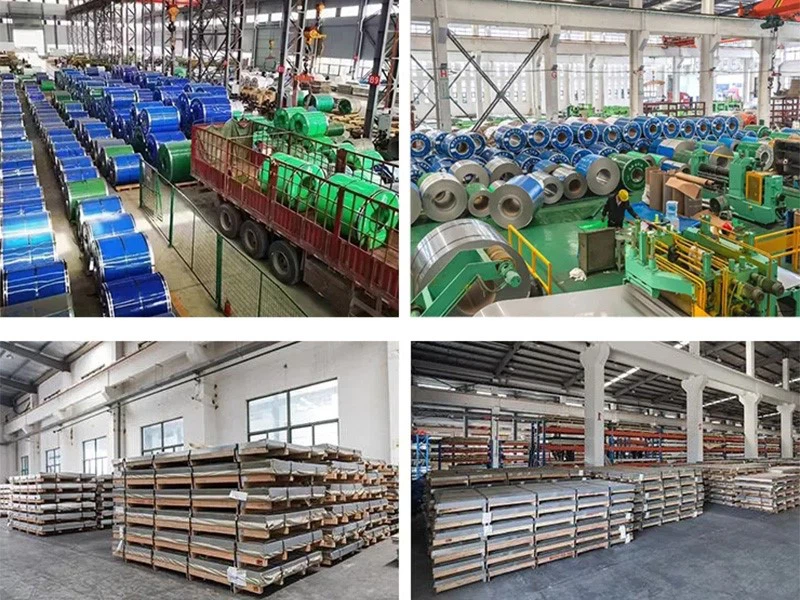
Gnee offers high-quality DIN 2.4665 corrosion-resistant plates with the following specifications:
Thickness range: 0.5 mm – 20 mm
Customizable width and length
Surface finish: No.1, 2B, 2D, or polished
Comprehensive processing services: cutting, bending, welding
Our products meet or exceed international standards, ensuring you receive reliable and durable materials for your critical projects.

Send Inquiry