







304 Stainless Steel in Food Industry: Applications
Dec 31, 2025
Leave a message
Q1: What food industry equipment is made of 304 stainless steel?
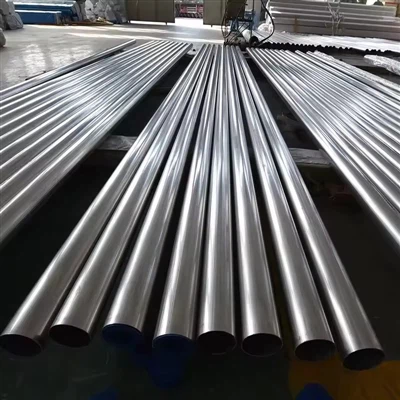
A1: Common equipment includes: 1. Food processing machinery (mixers, grinders, conveyors, filling machines). 2. Storage equipment (stainless steel tanks, barrels for storing food raw materials, semi-finished products, and finished products). 3. Kitchenware (sinks, stoves, workbenches, food containers). 4. Transportation pipelines (pipes for transporting water, beverages, dairy products, and other food fluids). 5. Cleaning equipment (high-pressure cleaners, ultrasonic cleaners for food containers).
Q2: Why is 304 stainless steel suitable for food contact applications?
A2: The reasons are: 1. Excellent corrosion resistance: Resists corrosion by food acids (such as citric acid, lactic acid), alkalis, and salts, avoiding metal ions from leaching into food. 2. Hygienic and non-toxic: The surface is smooth, not easy to accumulate dirt and bacteria, and easy to clean and disinfect. 3. Stable chemical properties: Does not react with food ingredients, ensuring food safety. 4. High temperature resistance: Can withstand high temperatures during food sterilization (such as boiling, steam sterilization) without deformation or performance degradation.
Q3: What are the hygiene standards that 304 stainless steel for food industry must comply with?
A3: It must comply with international and national hygiene standards, such as: 1. FDA (Food and Drug Administration) standards in the United States: 21 CFR Part 175.300 for food contact materials. 2. EU standards: Regulation (EC) No 1935/2004 on materials and articles intended to come into contact with food. 3. National standards in China: GB 4806.9-2016 for stainless steel and stainless steel alloys used in food contact. These standards specify the limit requirements for harmful substances (such as lead, chromium, nickel) leaching and the requirements for surface quality.
Q4: What surface finish of 304 stainless steel is suitable for food industry equipment?
A4: Suitable surface finishes include: 1. 2B finish: Smooth surface, easy to clean, suitable for most food processing equipment (mixers, tanks, workbenches). 2. BA finish: Bright and smooth surface, low surface roughness, not easy to adhere to food residues and bacteria, suitable for high-hygiene requirements (dairy processing equipment, beverage filling machines). 3. No. 4 finish: Brushed surface, uniform texture, suitable for kitchenware and food containers that require both hygiene and appearance. It is not recommended to use rough surface finishes (such as hot-rolled surfaces) as they are easy to accumulate dirt.
Q5: How to maintain 304 stainless steel food contact equipment to ensure hygiene and safety?
A5: Maintenance measures: 1. Clean regularly with neutral detergent and a soft brush or sponge to remove food residues and oil stains; avoid using abrasive cleaners that scratch the surface. 2. Disinfect regularly with food-grade disinfectants (such as peracetic acid, sodium hypochlorite) to kill bacteria. 3. Rinse thoroughly with clean water after cleaning and disinfection to avoid residual detergent or disinfectant. 4. Inspect the surface regularly for scratches, corrosion, or cracks; polish or replace damaged parts in time to prevent bacterial growth. 5. Store equipment in a dry, clean environment to avoid contamination.


Send Inquiry