







409 vs 439 Stainless Steel: Ferritic Exhaust and Automotive Alloys
Dec 01, 2025
Leave a message
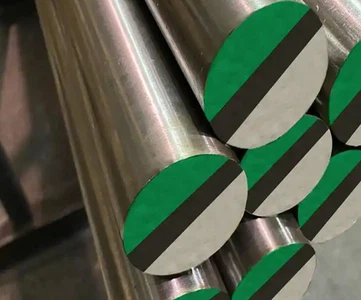
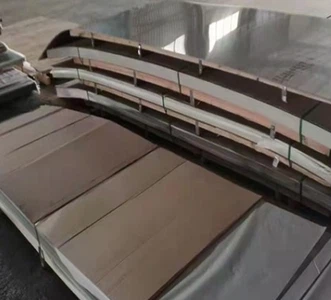
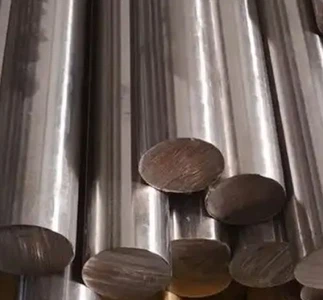
What are the basic composition and main applications of 409 and 439?
Both are low-carbon, chromium-based ferritic stainless steels containing 10.5–12% chromium. Grade 409 is the most basic and economical type, often used for automotive exhaust components like mufflers and tailpipes. Grade 439 contains added titanium for stabilization, offering better corrosion resistance. It is specified for more demanding parts like hot-end exhaust systems, heat exchangers, and appliance interiors.
Why is 439 considered more weldable and corrosion-resistant than 409?
The titanium in 439 binds with carbon during welding, preventing the formation of chromium carbides. This maintains a uniform protective chromium layer at the weld, preventing "weld decay." Untreated 409 lacks this stabilization, making its welds more prone to accelerated corrosion in harsh conditions.
In which environments should 439 be chosen over 409?
Choose 439 for components exposed to continuous moisture, road salts, or acidic condensates, such as in modern exhaust systems with long-life requirements. It is also better for welded assemblies or parts operating at higher temperatures. For internal, non-welded, or less corrosive sections, 409 remains a cost-effective choice.
What are the cost and availability considerations?
Grade 409 is widely available and is typically the lowest-cost stainless option for exhaust applications. Grade 439 carries a moderate price premium due to its titanium content and enhanced properties. Its availability in various forms may be more limited than that of 409, so sourcing should be confirmed early.
What is the key takeaway for a buyer or engineer?
Base your choice on the component's exposure and fabrication. For welded parts or harsh service (e.g., near the engine or in humid climates), invest in 439 for long-term reliability. For simple, non-welded parts in mild conditions, 409 provides satisfactory performance at the lowest cost. Always specify the exact grade in drawings and orders.
Send Inquiry