







What is 1.4537 Stainless Steel?
Feb 27, 2026
Leave a message
1.4537 stainless steel, commonly known as Alloy 27-7Mo or UNS S31277, is a super austenitic stainless steel with exceptionally high molybdenum and nitrogen content. It offers outstanding resistance to pitting, crevice corrosion, and stress corrosion cracking in chloride environments, making it ideal for demanding applications in seawater desalination, offshore, chemical processing, and pollution control industries.
This high-performance super austenitic grade is standardized under key international designations.
| Standard | Equivalent Grade |
|---|---|
| EN (Europe) | 1.4537 |
| ASTM/AISI (USA) | Alloy 27-7Mo, UNS S31277 |
| Common Name | Alloy 27-7Mo, S31277 |
Its high alloy content, especially molybdenum and nitrogen, is key to its corrosion resistance.
| Element | C | Si | Mn | P | S | Cr | Ni | Mo | N |
|---|---|---|---|---|---|---|---|---|---|
| Content (%) | ≤ 0.02 | ≤ 0.8 | ≤ 1.0 | ≤ 0.03 | ≤ 0.01 | 20.0 - 22.0 | 26.0 - 28.0 | 6.5 - 8.0 | 0.30 - 0.40 |
It combines high strength with excellent ductility and corrosion resistance.
| Property | Yield Strength (Rp0.2) | Tensile Strength (Rm) | Elongation (A) | Hardness (HB) |
|---|---|---|---|---|
| Typical Value | ≥ 350 MPa | 700 - 900 MPa | ≥ 35% | ≤ 260 |
Key Characteristics and Applications of 1.4537 / Alloy 27-7Mo
Exceptional Pitting and Crevice Corrosion Resistance: With a PREN (Pitting Resistance Equivalent Number) > 45, it offers superior resistance in aggressive chloride environments, including hot seawater and hypochlorite solutions.
Excellent Stress Corrosion Cracking (SCC) Resistance: Performs well under tensile stress in corrosive environments where other austenitic grades may fail.
High Strength and Good Formability: Provides higher yield strength than standard austenitic grades while maintaining good ductility and weldability.
Primary Applications:
Seawater Desalination: Reverse osmosis (RO) membranes, high-pressure piping, and evaporator tubes.
Offshore & Marine: Heat exchangers, pumps, valves, and subsea components.
Chemical Processing: Equipment for handling aggressive acids, chlorides, and oxidizing media.
Pollution Control: FGD (Flue Gas Desulfurization) systems and scrubbers.
How does Alloy 27-7Mo (1.4537) compare to 254 SMo (1.4547)?
Both are super austenitic grades, but Alloy 27-7Mo contains higher levels of molybdenum and nitrogen, giving it a higher PREN and superior resistance to pitting and crevice corrosion in extremely aggressive chloride environments, especially at elevated temperatures. It also offers higher mechanical strength. Alloy 27-7Mo is often chosen for the most severe corrosive applications where maximum pitting resistance is required.
What are the welding considerations for Alloy 27-7Mo stainless steel?
Welding Alloy 27-7Mo requires careful control to maintain corrosion resistance. Recommended practices include using matching or over-alloyed filler metals (such as Alloy 625 or higher-grade austenitic fillers), controlling heat input to avoid excessive intermetallic phase formation, and ensuring proper shielding to prevent nitrogen loss. Post-weld cleaning is essential to preserve corrosion resistance in the weld zone.


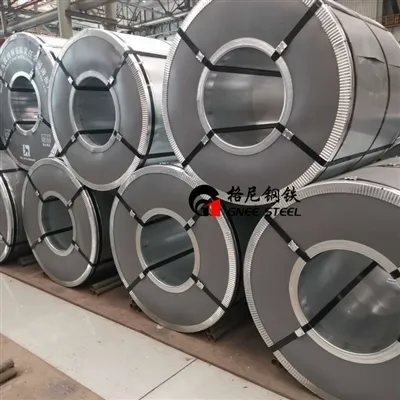
Looking for a Reliable Supplier of 1.4537 / Alloy 27-7Mo Stainless Steel?
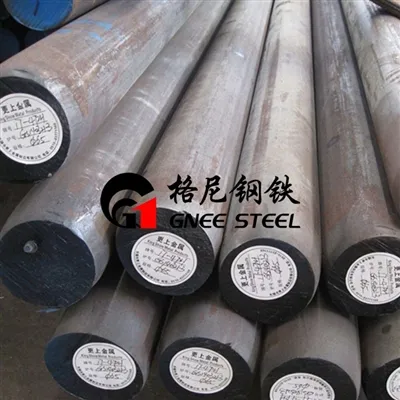
GNEE Steel supplies premium super austenitic Alloy 27-7Mo (1.4537) stainless steel in plate, pipe, bar, and fitting forms for the most demanding corrosive and marine applications. We provide full material traceability and certification to ensure optimal performance. If you have any requirements, please feel free to contact us.

Send Inquiry