

1.4301 Stainless Steel Plate Price Per Kg:An Overview
Oct 28, 2026
Leave a message
If you are purchasing stainless steel plate for tanks, food-processing equipment, industrial fabrication or architectural projects, the price per kilogram of EN 1.4301 stainless steel depends on more than the material grade. Thickness, rolling process, surface finish, order quantity, certification requirements and delivery terms all influence the final quotation.
EN 1.4301 is commonly cross-referenced to AISI 304 and UNS S30400. It is an austenitic chromium-nickel stainless steel widely used for general fabrication because it offers good formability, weldability and corrosion resistance in suitable environments.
What is the price of 1.4301 stainless steel plate per kg in 2026?
Publicly available 2026 references indicate approximately $1.96/kg for a specific Asia hot-rolled plate benchmark, $2.20–$2.60/kg in one China hot-rolled plate pricing guide, and $2.50–$3.00/kg for cold-rolled 2B sheet or plate in the same guide. These figures have different reference dates and commercial bases, so buyers should request a current quotation for the exact specification.
As of October 2026, publicly available pricing references show a range of prices for 304 stainless steel plate and sheet in different markets and product conditions.
|
Product / Market Reference |
Published Price (USD/kg) |
Price Basis |
|---|---|---|
|
304 hot-rolled plate, Asia benchmark |
Approximately $1.96/kg |
Q3 2026 average; 6 × 1,250 × 2,000 mm plate, FOB |
|
304 hot-rolled plate, China export guide |
$2.20–$2.60/kg |
Indicative August 2026 price, FOB China |
|
304 cold-rolled sheet/plate, 2B finish |
$2.50–$3.00/kg |
Indicative August 2026 price, FOB China |
Source: Stainless steel plate price data, the "China Stainless Steel Plate Pricing Guide," and price references for 304 stainless steel plates as of October 2026.
For preliminary budgeting, roughly $2.00–$3.00/kg is a useful starting reference for standard 304/1.4301 plate and sheet in the cited market data. Custom dimensions, small orders, premium finishes, additional inspection and delivered-price terms can produce quotations outside this range. Confirm current pricing with a supplier before placing an order.
What Is the Difference Between 1.4301 Hot-Rolled and Cold-Rolled Plate Prices?
The price gap between 1.4301 hot-rolled and cold-rolled stainless steel plates mainly stems from surface finish, tolerance control and additional processing cost. Standard 1.4301 hot rolled plate (HR, No.1 finish) normally carries a base price 8–15% lower than 2B cold rolled plate of the same thickness and width. Cold rolling includes multi-pass reduction, annealing, pickling and leveling, delivering tighter thickness tolerance (±0.03 mm typical) and bright uniform surface; hot rolled material has looser tolerance and oxide scale, suitable for structural parts without high surface requirements.
What factors influence the price per kilogram of 1.4301 stainless steel plates?
Understanding the primary cost drivers helps procurement teams compare quotes from different suppliers more accurately.
Prices of Nickel and Chromium
Grade 1.4301 stainless steel contains significant amounts of chromium and nickel. Consequently, fluctuations in the costs of these alloying elements affect both mill-gate prices and supplier quotes. For example, in October 2026, the alloy surcharge for 1.4301 steel plates was 2.17 EUR/kg. This figure represents only the alloy surcharge, not the final selling price of the stainless steel plate; the base price, processing costs, and relevant commercial terms must also be factored in.
Plate Thickness and Dimensions
Thickness influences the production process, rolling schedules, and the availability of standard specifications. Width and length determine whether a supplier can provide the material in standard mill dimensions or if additional cutting is required.
Order Quantity
Larger order volumes often lead to greater efficiencies in production planning, raw material procurement, and packaging, thereby reducing costs. Conversely, smaller orders may incur higher proportional costs for cutting, handling, and transportation.
Surface Finish and Protective Packaging
Standard mill-finish surfaces are generally less expensive than brushed, polished, or other specialized finishes. Furthermore, the inclusion of protective films, edge protection, export-grade packaging, or specific cutting requirements will also impact the total cost.
Certification and Inspection
Standard mill test certificates versus additional inspection requirements can lead to variations in cost.
For a traceable industrial purchase, buyers may require a material test certificate (MTC), EN 10204 3.1 documentation where applicable, PMI, dimensional checks or third-party inspection. These requirements should be identified before the quotation is finalized.
How to Calculate the Weight and Cost of 1.4301 Plate?
A reliable weight estimate makes it easier to check the material value in a quotation, prepare shipping plans and compare suppliers' prices.
For a rectangular stainless steel plate, the approximate theoretical weight can be calculated using:
Weight (kg) = Thickness (mm) x Width (m) x Length (m) x 7.9
The factor 7.9 is an approximate density in g/cm³ expressed in a convenient form for this calculation. Use the material specification and agreed weight method for final commercial quantities.
Example: 3 mm 1.4301 stainless steel plate
Assume the plate measures 1,000 × 2,000 × 3 mm, and the illustrative material price is $2.50/kg.
|
Calculation Item |
Value |
|---|---|
|
Grade |
EN 1.4301 / AISI 304 |
|
Thickness |
3 mm |
|
Width |
1,000 mm (1 m) |
|
Length |
2,000 mm (2 m) |
|
Approximate density |
7.9 g/cm³ |
|
Theoretical weight |
3 × 1 × 2 × 7.9 = 47.4 kg |
|
Illustrative unit price |
$2.50/kg |
|
Estimated material value |
47.4 × $2.50 = $118.50 |
What is the difference between theoretical and actual weight?
Theoretical weight is calculated from nominal dimensions and an assumed density. Actual invoiced or shipped weight may differ because of dimensional tolerances, the supplier's weighing method and the terms of the order.
Before placing an order, confirm whether the purchase contract uses theoretical weight, actual scale weight or another agreed basis. This matters when comparing quotations for large quantities.
1.4301, 1.4307 vs. 1.4404: Price and Cost
1.4301 (304), 1.4307 (304L) and 1.4404 (316L) show tiered pricing based on alloy additions. 1.4307 carries a 3–7% premium over standard 1.4301 due to stricter low-carbon control (C ≤0.030%). 1.4404 adds 2.0–3.0 wt% molybdenum, pushing its price 18–28% higher than 1.4301. Molybdenum is the main cost driver; surcharges fluctuate with Ni and Mo markets, while 1.4307 is selected for welded assemblies to avoid intergranular corrosion.
Is 1.4301 stainless steel suitable for outdoor or marine applications?
1.4301 provides good corrosion resistance in many ordinary atmospheric environments, but it can suffer pitting or crevice corrosion in chloride-rich conditions. For coastal, marine or aggressive chemical exposure, evaluate the environmental conditions carefully and consider whether 316L or another suitable alloy is necessary.
What certificates should I request when buying 1.4301 plate?
For industrial procurement, identify the applicable product standard and request a material test certificate showing the relevant chemical and mechanical test results and traceability information. EN 10204 3.1 documentation, PMI and third-party inspection can be specified when required by the project or purchase order.
How can I obtain an accurate 1.4301 plate quotation?
Provide the grade, product standard, thickness, width, length, finish, quantity, documentation requirements, destination and preferred trade term. A clearly defined specification allows suppliers to quote on a comparable basis and reduces the risk of unexpected costs.
Manufacturer of 1.4301 stainless steel plates
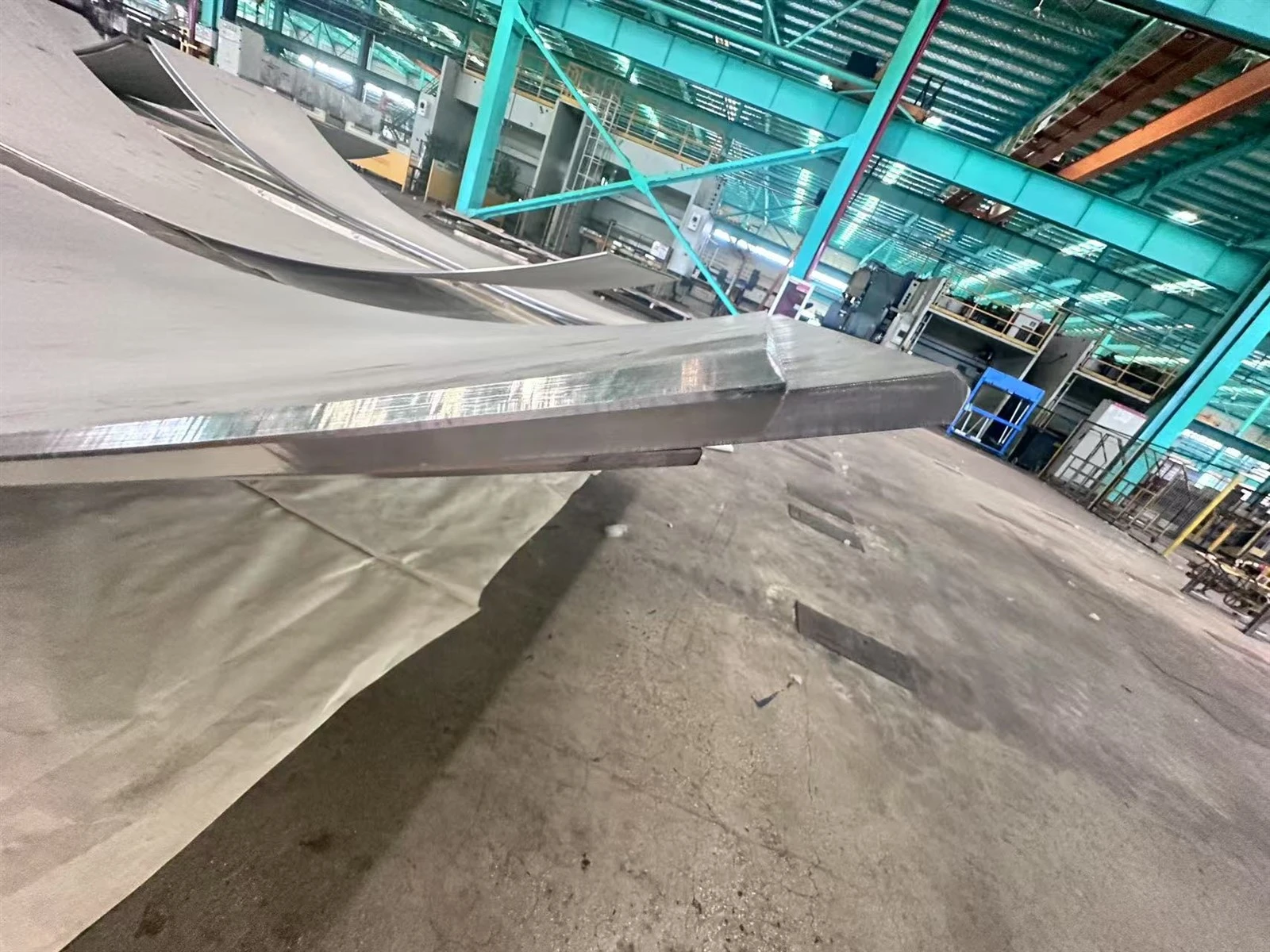
GNEE supplies 1.4301 (AISI 304 / X5CrNi18-10) stainless steel plates, with options for custom thickness, width, length, and surface finishes (including No. 1 and other specified surface conditions). Standard stock items can typically be dispatched within 7–15 days; orders requiring custom dimensions, cutting, or specialized surface finishes may take 30–45 days, depending on current stock levels and production scheduling.
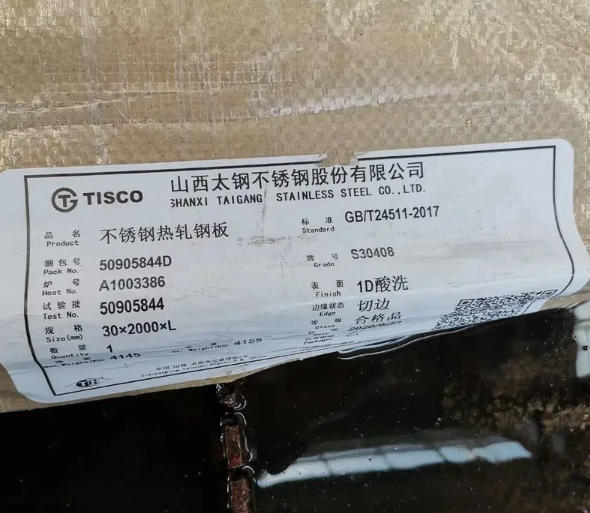
We offer a comprehensive range of testing services-covering chemical composition, mechanical properties, dimensional accuracy, and surface quality-and provide Material Test Certificates (MTC). Upon request, we can also supply EN 10204 3.1 certificates, perform PMI (Positive Material Identification), and facilitate third-party inspections by organizations such as SGS, BV, or TÜV.

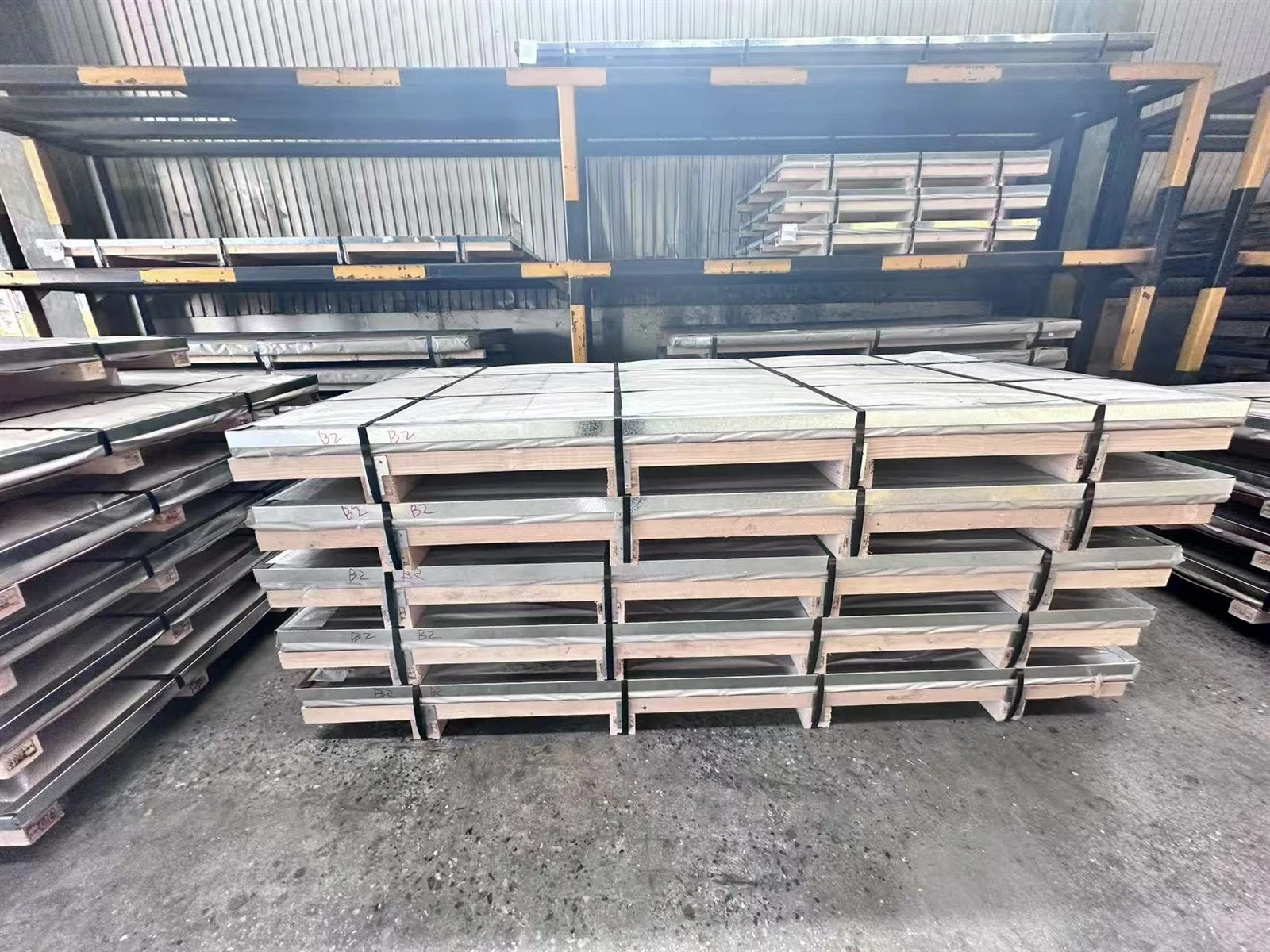
GNEE also provides value-added processing services, including precision cutting to size and edge trimming; specific dimensions and tolerances will be confirmed prior to production. For export, we utilize robust packaging solutions-including waterproof wrapping, protective film (upon request), and edge protection-secured on wooden pallets or in wooden crates reinforced with steel banding. ISPM 15-compliant wooden packaging is also available if required.

Send Inquiry