







1.4016 vs. 1.4301 Stainless Steel: Corrosion Resistance
Oct 28, 2026
Leave a message
What is 1.4301 stainless steel?
1.4301 (X5CrNi18-10, AISI 304) is a common austenitic stainless steel with typical composition of 18.0–20.0 wt% Cr and 8.0–10.5 wt% Ni. It features minimum yield strength ≥205 MPa and tensile strength 500–700 MPa, excellent formability and weldability. It offers good atmospheric and weak acid corrosion resistance, widely used for tanks, piping and kitchenware, but prone to sensitization when held long at 425–850 °C.
What is the equivalent material for 1.4016?
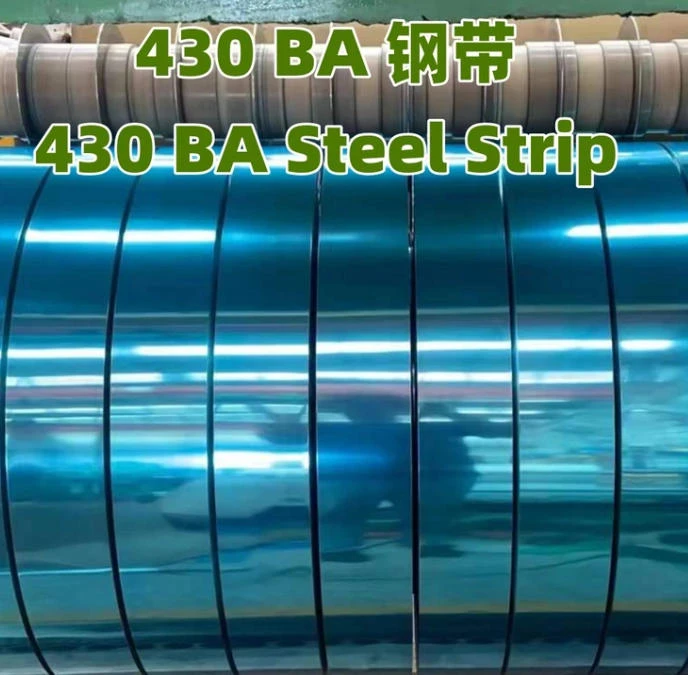
1.4016 (X6Cr17, AISI 430) is a ferritic stainless steel containing 16.0–18.0 wt% chromium with no nickel addition. Its closest ASTM equivalent is grade 430, with typical yield strength ≥240 MPa and tensile strength 450–600 MPa. It has moderate corrosion resistance, better stress corrosion resistance than 1.4301, yet poor weldability; it is commonly matched with SUS430 under JIS standard for decorative and indoor structural parts.
1.4016 vs. 1.4301 Stainless Steel: Chemical Composition
| Element | 1.4301 (AISI 304) | 1.4016 (AISI 430) | Key Differences & Impact |
|---|---|---|---|
| Chromium (Cr) | 18.0 – 20.0% | 16.0 – 18.0% | 1.4301 has higher chromium content, forming a denser and more stable passive film that delivers superior base corrosion resistance and oxidation resistance. |
| Nickel (Ni) | 8.0 – 10.5% | ≤ 0.75% | Key difference: nickel is an austenite stabilizer. The high Ni content of 1.4301 provides excellent toughness, ductility, and intergranular corrosion resistance. 1.4016 contains virtually no Ni, has a ferritic structure, and offers higher strength but slightly lower toughness. |
| Carbon (C) | ≤ 0.08% | ≤ 0.12% | 1.4016 has a higher carbon limit, making it prone to chromium carbide precipitation at elevated temperatures. This can reduce weldability and raise intergranular corrosion risk; stabilization treatment is required to improve this. |
| Manganese (Mn) | ≤ 2.0% | ≤ 1.0% | 1.4301 allows higher manganese content, which helps stabilize the austenitic structure and improves work hardening capability and overall strength. |
1.4016 vs. 1.4301 Stainless Steel: PREN
Formula: PREN = %Cr + 3.3 × %Mo + 16 × %N
| Grade | Cr (typ.) | Mo | N (typ.) | PREN | Pitting Category |
| 1.4016 (430) | 17.0 | 0 | 0.03 | 17.5 | Low |
| 1.4301 (304) | 18.5 | 0 | 0.05 | 19.3 | Low-Moderate |
| 1.4307 (304L) | 18.0 | 0 | 0.05 | 18.8 | Low-Moderate |
| 1.4404 (316L) | 17.0 | 2.5 | 0.05 | 26.1 | Moderate-High |
| 1.4462 (2205) | 22.0 | 3.0 | 0.15 | 35.8 | Very High |
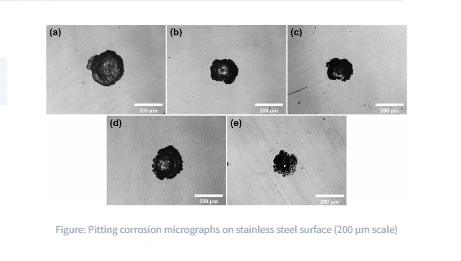
Figure: Pitting corrosion micrographs on stainless steel surface (200 um scale)
1.4016 vs. 1.4301 Stainless Steel: Mechanical Properties
| Property | 1.4016 (430) | 1.4301 (304) |
| Tensile Strength (min) | 400 – 630 MPa (58 – 91 ksi) | 520 – 720 MPa (75 – 104 ksi) |
| Yield Strength, 0.2% (min) | 220 – 260 MPa (32 – 38 ksi) | 190 – 210 MPa (28 – 30 ksi) |
| Elongation in 50 mm (min) | 20% | 40 – 45% |
| Hardness (max) | 200 HBW / 92 HRB | 217 HBW / 95 HRB |
| Impact (Charpy, 25 °C) | 20 – 50 J | 100 – 200 J |
| Impact (Charpy, −40 °C) | 5 – 15 J (brittle) | 80 – 150 J |
| Density | 7.70 g/cm³ | 8.00 g/cm³ |
| CTE (0–100 °C) | 10.2 × 10⁻⁶ /°C | 16.0 × 10⁻⁶ /°C |
| Thermal Conductivity (100 °C) | 24.2 W/(m·K) | 16.3 W/(m·K) |
| Electrical Resistivity (20 °C) | 430 nΩ·m | 740 nΩ·m |
| Magnetic Permeability | ~500 (strongly magnetic) | ~1.02 (non-magnetic) |
Which stainless steel has better corrosion resistance, 1.4016 or 1.4301?
1.4301 (AISI 304) generally delivers superior overall corrosion performance compared with ferritic 1.4016 (AISI 430). 1.4301 contains 8.0–10.5 wt% nickel alongside 18.0–20.0 wt% chromium, stabilising the austenitic matrix and improving resistance to weak acids and atmospheric attack. 1.4016 has 16.0–18.0 wt% chromium with no nickel; it suffers higher rust risk in chloride-bearing environments and has a higher uniform corrosion rate under damp industrial conditions.
|
Exposure Environment |
430 / 1.4016 |
304 / 1.4301 |
|---|---|---|
|
Marine |
N/A |
Estimated 145 years |
|
Semi-industrial |
Estimated 85 years |
Estimated 135 years |
|
Rural |
Estimated 250 years |
Estimated 770 years |
Does 1.4016 resist stress corrosion cracking better than 1.4301?
Yes, ferritic 1.4016 offers markedly higher resistance to chloride-induced stress corrosion cracking (SCC) than austenitic 1.4301. Austenitic 1.4301 is susceptible to SCC at temperatures above roughly 60 °C in chloride solutions, while 1.4016 rarely suffers this failure mode. Even so, 1.4016 remains vulnerable to pitting corrosion in chloride media, so superior SCC resistance does not equal better overall corrosion durability in marine environments.
| Parameter | 1.4016 (430) | 1.4301 (304) |
| Cl-SCC Susceptibility | IMMUNE (ferritic) | HIGH (austenitic) |
| Onset Temperature (Cl⁻ > 1,000 ppm) | N/A | > 60 °C (140 °F) |
| Onset Stress (Cl⁻, 80 °C) | N/A | > 0.3 × UTS |
| Failure Mode | Pitting (localized) | Catastrophic transgranular cracking |
Comparison of specific performance across different environments

1.4301: Exhibits excellent resistance to oxidizing acids (such as nitric acid); offers only limited resistance to reducing acids (such as hydrochloric acid), and then only in dilute solutions at room temperature.
1.4016: Highly sensitive to reducing acids; significant corrosion occurs even in dilute solutions.
1.4301: Performs well in mildly alkaline environments; however, in environments with high temperatures and high concentrations of strong alkalis, there is a risk of stress corrosion cracking (SCC).
1.4016: Offers comparable performance in mild environments, but its corrosion resistance in strongly alkaline environments is inferior to that of 1.4301.
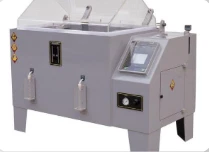
1.4301: Can withstand over 1,000 hours of neutral salt spray testing (per ASTM B117); exhibits exceptional corrosion resistance.
1.4016: Extremely poor corrosion resistance-red rust appears within just a few hours; must not be used in coastal or outdoor environments.
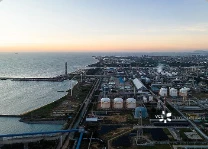
1.4301: Suitable for industrial, marine, and various outdoor atmospheric environments; it remains bright and like-new even after long-term use.
1.4016: Suitable only for dry indoor environments; it is highly prone to oxidation and rusting in humid or industrial atmospheres.
Can 1.4016 and 1.4301 be welded?
1.4016 and 1.4301 can be dissimilar welded with careful procedure control; ER309L is the recommended filler metal instead of 308L to balance ferrite content and avoid brittle intermetallic phases. Maintain low heat input and interpass temperature below 150 °C, and preheat to 100–150 °C for thicker sections above 4 mm. The joint will have mixed ferritic-austenitic microstructure, with reduced ductility and higher corrosion risk at the fusion line compared to matching 1.4301 welds.
Why does 1.4301 usually cost more than 1.4016?
1.4301 carries a higher material cost primarily due to its nickel content of 8.0–10.5 wt%, a high-value commodity metal absent in 1.4016. Both grades contain chromium, but nickel accounts for the largest share of alloy surcharge. 1.4301 also has higher processing flexibility, tighter melting control for austenite stability, and stronger market demand for corrosion-resistant forming and welding applications, further lifting base and surcharge pricing versus straight-chromium ferritic 1.4016.
Can 1.4016 stainless steel be used outdoors?
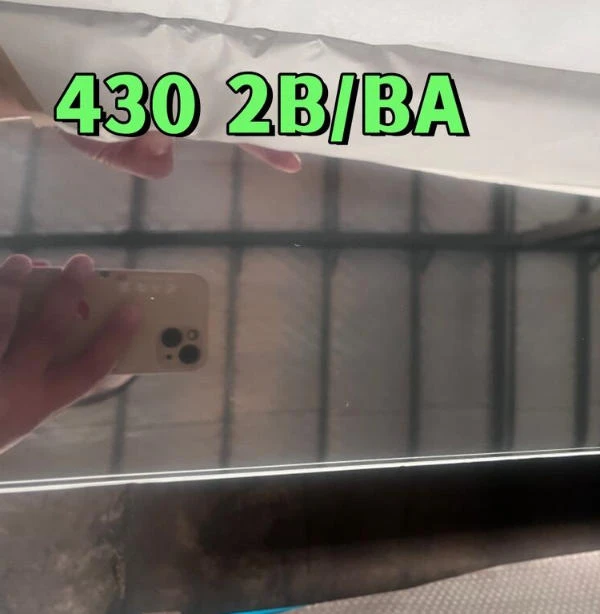
1.4016 (X6Cr17, 430) can be used outdoors only in low-chloride, rural atmospheres with regular cleaning. Its 16–18% chromium passive film lacks nickel, so it readily develops surface rust within months in coastal or de-icing salt zones where chloride levels exceed 100 ppm. It is not recommended for marine roadside exposure; proper surface finishing like 2B or polishing can extend service life but cannot prevent pitting in persistent chloride environments.
1.4016 / 1.4301 Stainless Steel Supplier
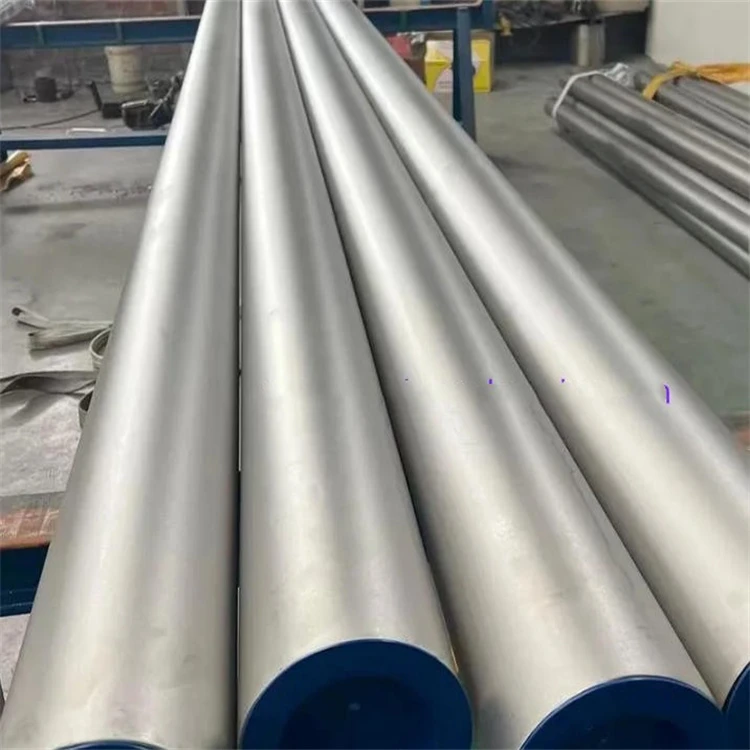
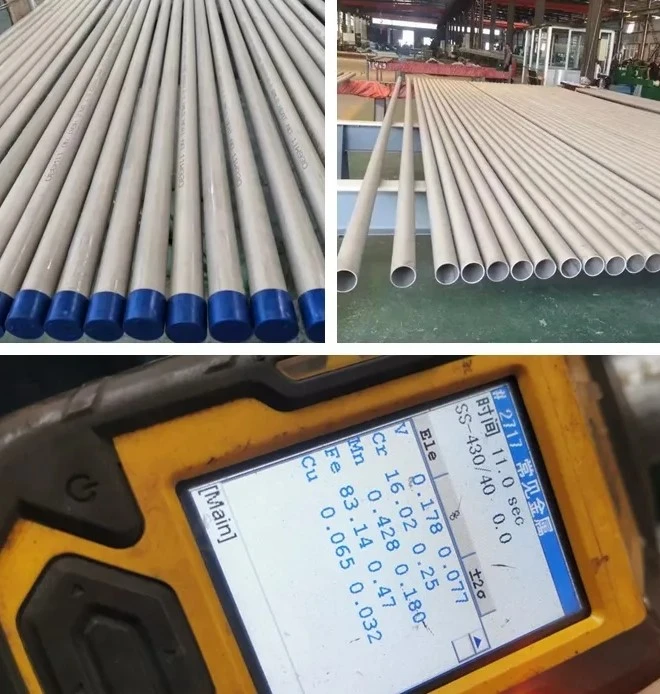
GNEE maintains a large inventory of popular products, including grades 1.4301 and 1.4016, available in a variety of practical forms such as sheets, coils, pipes, bars, and wires. If you are interested in 1.4016 stainless steel or any other products, please feel free to email us at sales@gneestainless.com. We look forward to serving you.

Send Inquiry