







430 vs 439 vs 444: Selecting the Right Ferritic Stainless Steel
Dec 08, 2025
Leave a message
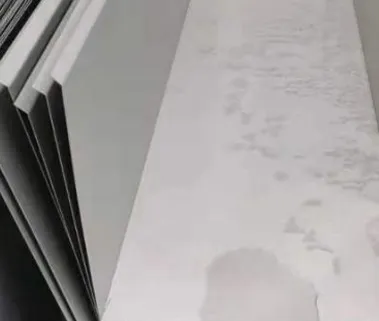
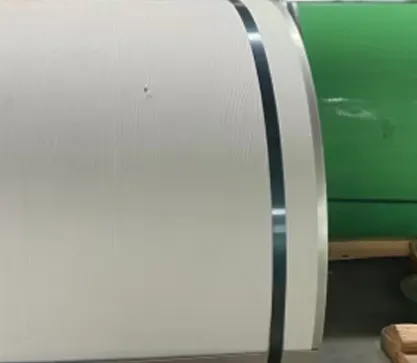

What are the core compositional features that distinguish 430, 439, and 444?
All three are chromium-based, nickel-free ferritic steels. 430 is the baseline with ~17% Cr and no intentional stabilization. 439 is titanium-stabilized (and has slightly higher Cr) to prevent sensitization during welding. 444 contains both titanium/niobium stabilization and a crucial addition of 1.75-2.5% molybdenum, significantly boosting its resistance to pitting and crevice corrosion. This compositional progression directly dictates their cost and performance envelope.
How does this compositional progression translate to real-world application suitability?
430 is suitable for dry indoor applications, decorative trim, and appliance interiors where welding is not required and corrosion exposure is minimal. 439 is the workhorse for automotive exhaust systems (welded), heat exchangers, and applications involving heat and condensation where weld integrity is key. 444 is engineered for contact with chloride-containing waters, making it the standard for hot water tank linings, solar thermal systems, and architectural components in coastal or de-icing salt environments.
What are the critical welding and fabrication considerations for each grade?
430 has poor weldability for corrosion applications; welding can cause sensitization and embrittlement. 439 has good weldability due to its stabilization, making it suitable for fabricated assemblies. 444 also has excellent weldability. For all ferritic grades, controlling heat input to minimize grain growth in the heat-affected zone is important. Formability is generally good for all, but the higher strength of 444 may require slightly more forming force.
From a total cost perspective, how should a project justify moving up this performance ladder?
Justification is based on lifecycle cost and risk of failure. Use 430 only when failure has no consequential cost (e.g., a decorative panel). Upgrade to 439 when welding is involved or the environment includes mild corrosives (condensate, exhaust gases). Invest in 444 when failure would be costly, unsafe, or cause significant downtime, such as a leaking hot water tank or a corroded facade on a high-rise building. The incremental material cost is almost always less than the cost of a single failure.
What is a simple, decision-making flowchart for selecting among these three ferritic grades?
Will the part be welded? If NO, and environment is dry/indoor, consider 430. If YES, immediately eliminate 430.
Will the part be in contact with chlorides (salt water, de-icing salts)? If NO, choose 439. If YES, choose 444.
Is the application a hot water vessel? If YES, choose 444.
This flowchart ensures technical suitability before cost is even considered, preventing under-specification.
Send Inquiry