







EN 1.4307 (SUS304H): High-Carbon Stainless Steel Properties
Jan 05, 2026
Leave a message
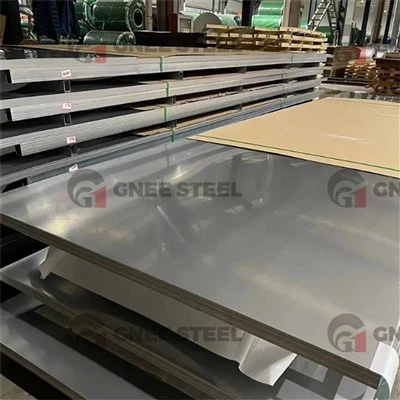


Key Characteristics of EN 1.4307 (304L)
Type: Low Carbon Austenitic Stainless Steel (often called 304L).
Composition: Contains ~18% Chromium (Cr) and 8% Nickel (Ni) (18/8), with low carbon for improved weldability.
Corrosion Resistance: Excellent resistance to rust, air, acids, pitting, and crevice corrosion, even better than titanium-stabilized grades.
Mechanical Properties (Typical): Tensile Strength 480-720 MPa, Elongation 45%+, Hardness ≤ 215 HB, Density ~7.9 g/cm³.
Temperature Suitability: Good for cryogenic to moderate temperatures (up to ~550°C), but 304H is preferred for higher continuous use.
Weldability: Superior to 304/304H due to low carbon, avoiding carbide precipitation.
Key Characteristics of SUS304H (304H)
Type: High Carbon Variant of 304, designed for high temperatures.
Application: Used for continuous service at high temperatures where strength retention is crucial.
Key Differences: 304L vs. 304H
Carbon Content: 304L (1.4307) is low-carbon for welding; 304H is high-carbon for high-temp strength.
Weldability: 304L is better.
High Temp Use: 304H is better.
Common Applications (Both Types)
Food & Beverage (sinks, brewing, milk processing).
Kitchenware (saucepans, benches).
Architectural (panels, railings).
Chemical Containers & Equipment.
In Summary: While you asked for "high-carbon," EN 1.4307 is the low-carbon 304L, excellent for welding, whereas 304H (not 1.4307) is the high-carbon version for high-temperature strength, both derived from the widely used 304 stainless steel.
Send Inquiry