







Stainless Steel 431: Duplex Martensitic-Ferritic Alloy For High-Stress Applications
Dec 11, 2025
Leave a message
Stainless Steel 431 is a unique duplex martensitic-ferritic grade that combines the high strength of martensitic steels with the enhanced corrosion resistance of ferritic alloys. With 15–17% chromium and 1.25–2.5% nickel, it is engineered for high-stress components in moderate-corrosion environments, filling the gap between basic martensitic grades and expensive austenitic alloys.
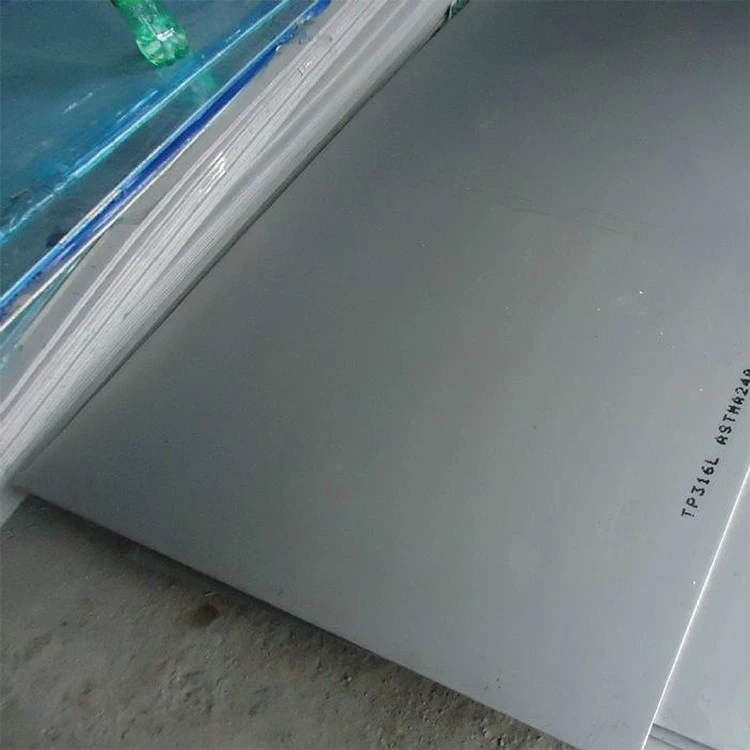
Chemical Composition (Key, % per ASTM A240)
Carbon (C): ≤0.20
Chromium (Cr): 15.00–17.00
Nickel (Ni): 1.25–2.50
Manganese (Mn): ≤1.00
Mechanical Properties (Heat-Treated)
Tensile Strength: ≥725 MPa
Yield Strength: ≥515 MPa
Elongation in 50mm: ≥15%
Hardness: ≤285 HB (annealed), up to 45 HRC (heat-treated)
Performance Advantages
Duplex Microstructure: Balances martensitic strength with ferritic corrosion resistance.
High Fatigue Resistance: Withstands repeated stress cycles for automotive and aerospace parts.
Cost-Effective Strength: Cheaper than duplex austenitic-ferritic grades like 2205 for low-chloride use.
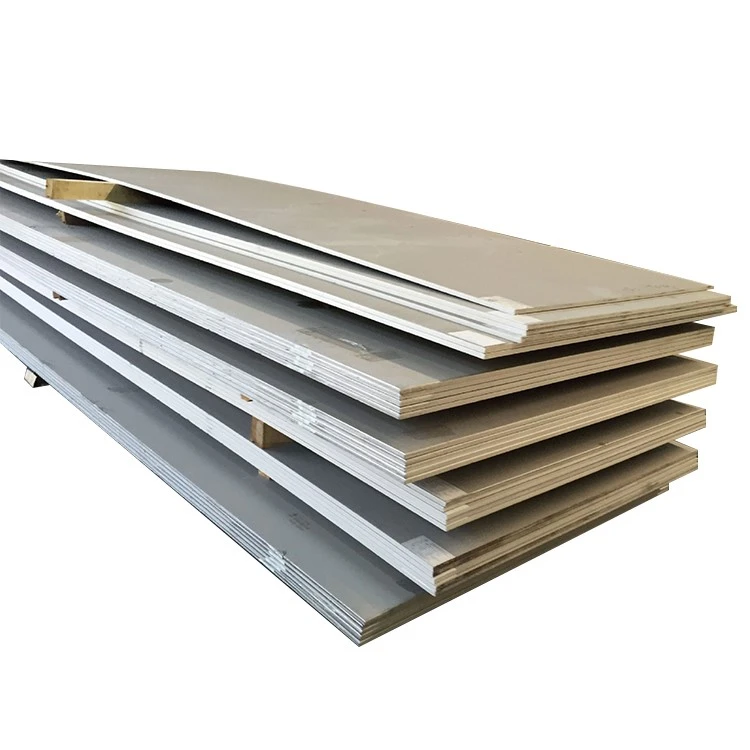
Applications
Automotive drive shafts and suspension components
Aircraft landing gear parts and control rods
Pump shafts and high-pressure valve stems
Equivalent Grades
EN 1.4057, JIS SUS431, DIN X2CrNi17-2
5 Common Questions & Answers
What makes 431 a "duplex" stainless steel, and how does this benefit its performance?431 has a mixed martensitic-ferritic microstructure, formed by controlled cooling after heating to 950–1050°C. The martensitic phase contributes high tensile strength (≥725 MPa) and hardness (up to 45 HRC), while the ferritic phase (stabilized by nickel addition) improves corrosion resistance and ductility. This duplex structure eliminates the trade-off seen in pure martensitic grades (e.g., 410 is strong but prone to rust) or pure ferritic grades (e.g., 409 is corrosion-resistant but weak). For automotive drive shafts, this means the component can handle high torque loads (strength) and resist road salt corrosion (ferritic phase), reducing maintenance and replacement costs.
How does 431's corrosion resistance compare to 410 and 304?431's higher chromium (15–17%) and nickel (1.25–2.5%) content make it significantly more corrosion-resistant than 410 (11.5–13.5% Cr, no Ni), allowing it to withstand road salt and industrial atmospheres that would rust 410 quickly. It resists mild acids and alkaline solutions better than 410, making it suitable for chemical pump shafts in low-concentration processing. However, it is less corrosion-resistant than 304, which has higher nickel (8–10.5%) and a fully austenitic structure that provides superior chloride and acid resistance. 431 is ideal for applications needing strength plus better corrosion than 410, but not the extreme protection of 304 or 316.
Why is 431 used for aerospace and automotive high-stress components?Aerospace and automotive parts (e.g., landing gear control rods, drive shafts) require high tensile strength, yield strength, and fatigue resistance to withstand extreme, repeated loads. 431's tensile strength of ≥725 MPa and yield strength of ≥515 MPa exceed the performance of 410 and 420, while its fatigue resistance is superior to austenitic grades like 304, which have lower yield strength. Its duplex structure also provides good impact toughness, preventing brittle failure during sudden load spikes (e.g., a car hitting a pothole or an aircraft landing). Unlike expensive exotic alloys, 431 is cost-effective for mass-produced high-stress components while meeting strict industry performance standards.
What heat treatment process is used for 431, and why?431's heat treatment is tailored to optimize its duplex microstructure: Annealing (800–900°C, slow cooling) produces a soft ferritic-martensitic mix with ≤285 HB hardness, making it easy to machine or form into complex shapes like valve stems. Quenching (950–1050°C, water cooling) increases the martensite content, boosting strength and hardness to 40–45 HRC for high-stress parts. Tempering (200–600°C) balances these properties: low-temperature tempering (200–300°C) retains hardness for valve stems, while high-temperature tempering (500–600°C) improves toughness for drive shafts that may face impact loads. This flexibility allows manufacturers to tune 431's properties to match specific component requirements.
What challenges are involved in welding 431, and how to address them?Welding 431 requires careful control to preserve its duplex structure and avoid brittleness. The main challenge is martensite formation in the HAZ, which occurs when the weld cools too quickly, leading to cracking and reduced ductility. To mitigate this, preheat the base metal to 150–250°C before welding, use low heat input (TIG welding is preferred for precision), and post-weld temper the part at 250–300°C to soften the HAZ. 431 or 309 filler wire should be used-309's higher nickel content stabilizes the austenitic phase in the weld, improving ductility and reducing cracking. Thick sections (over 5mm) should be welded in multiple passes with cooling between passes to control heat buildup, ensuring the final weld retains the same strength and corrosion resistance as the base metal.
Send Inquiry