







The difference between SS316 and SS316L stainless steel
Apr 09, 2026
Leave a message

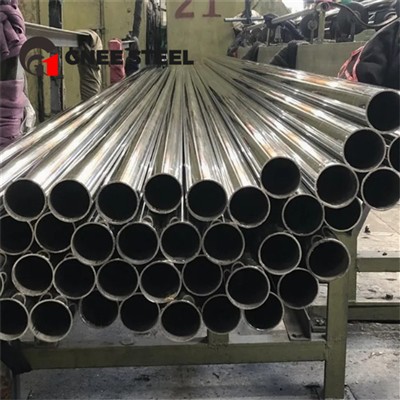


Grade 316 stainless steel is well-known for its versatility and widespread use and is recognized as a standard alloy, classified as an austenitic chromium alloy commonly referred to as "18/10" stainless steel, due to its composition of 18% chromium and 10% nickel.
The low-carbon grade 316L stainless steel avoids issues related to carbon precipitation, allowing for seamless welding.
Corrosion Resistance
Due to their outstanding corrosion resistance, 316 and 316L stainless steel are ideal for applications necessitating resilience against harsh environments, chemicals, and corrosive elements. The molybdenum content of these grades enhances resistance to pitting and crevice corrosion.
Versatility
The exceptional resistance to extreme conditions and excellent weldability of 316 and 316L stainless steel make them central to critical applications in various sectors, including marine, pharmaceutical, and chemical processing.
High-Temperature Performance
316 and 316L exhibit exceptional performance at elevated temperatures, with a higher nickel content than 304 stainless steel, making them ideal for applications such as exhaust systems and industrial furnaces.
Send Inquiry