







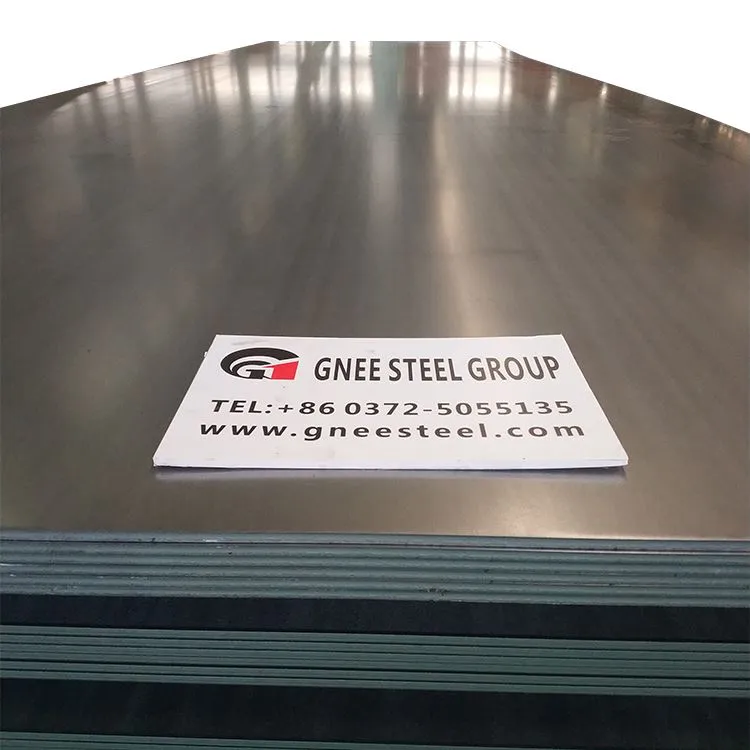


Stainless Steel Grade 430: Cost-Effective Ferritic Performance
Stainless steel 430 is a popular ferritic grade valued for its affordability, good corrosion resistance, and magnetic properties. Without nickel, it offers a cost-effective alternative to austenitic grades like 304, making it ideal for decorative, automotive, and household applications where extreme corrosion resistance is not required.

Chemical Composition (ASTM A240)
16–18% chromium, ≤0.12% carbon, ≤1% manganese, ≤1% silicon, ≤0.04% phosphorus, ≤0.03% sulfur, ≤0.6% nickel.
Mechanical Properties (Annealed)
Yield strength: ≥205 MPa
Tensile strength: 415–630 MPa
Elongation: ≥22%
Hardness: Max 201 HB

Performance Advantages
430 provides good general corrosion resistance in dry environments, is magnetic (useful for magnetic applications), and offers excellent formability and weldability (with proper techniques). It is cost-effective, easy to machine, and retains color well in decorative uses.
Applications
Automotive trim, kitchen appliances (e.g., refrigerator doors), decorative fixtures, architectural panels, and mild chemical processing equipment.
Equivalent Grades
EU: EN 1.4016
Japan: JIS SUS430
China: GB 1Cr17
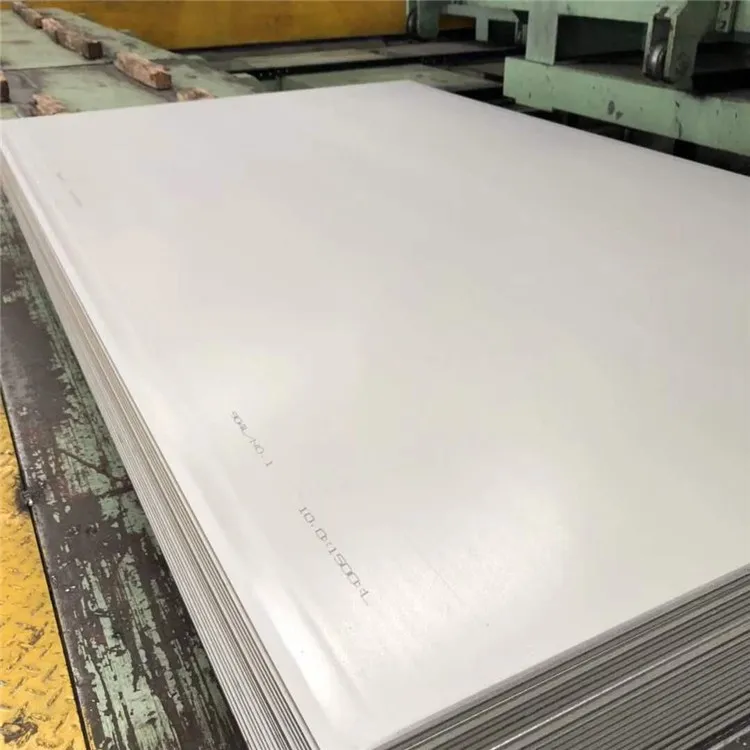
430 vs. 304: Cost vs. Performance
430 is nickel-free and cheaper than 304 but has lower corrosion resistance (especially in humid/coastal areas). 304 is non-magnetic and more durable in harsh environments, while 430 excels in dry, decorative, or budget-sensitive applications.
FAQs
Why is 430 magnetic, and how is this useful?430 is magnetic due to its ferritic crystal structure, which differs from the non-magnetic austenitic structure of 304 or 316. This magnetic property makes it ideal for applications requiring magnetic attraction, such as refrigerator door gaskets, magnetic fixtures, and automotive components that need to adhere to magnetic surfaces. Unlike austenitic grades, it retains magnetism at room temperature and in most operating conditions. Its magnetism does not affect corrosion resistance or formability, adding functional value without compromising performance.
Is 430 suitable for outdoor use?430 can be used outdoors in dry, non-coastal environments (e.g., inland architectural trim, garden fixtures) but is not recommended for coastal or humid areas. Its 16–18% chromium content forms a passive oxide layer that resists rust in dry air, but it lacks nickel and molybdenum to withstand saltwater or heavy moisture. In coastal regions, 430 may develop surface rust over time, while 304 or 316 would remain intact. Regular cleaning with mild soap and water helps maintain its appearance outdoors, but it is best suited for sheltered or dry outdoor applications.
How does 430's cost compare to 304, and when is it a better choice?430 is significantly cheaper than 304 because it contains no nickel (a high-cost alloy) and uses less chromium. It is a better choice for budget-sensitive applications where extreme corrosion resistance is not needed, such as indoor decorative fixtures, kitchen appliance exteriors, and automotive trim. For dry environments or applications where magnetism is required, 430 offers sufficient performance at a lower cost. 304 is preferable for humid, coastal, or chemical-exposed settings, but 430 delivers excellent value for non-critical uses.
Can 430 be welded for structural applications?430 can be welded using TIG or MIG welding, but it requires more care than austenitic grades like 304. It is prone to grain growth and brittleness if overheated, so controlling heat input and using low-heat welding techniques is essential. Matching ferritic fillers (e.g., ER430) preserve corrosion resistance and mechanical properties in welded joints. Post-weld annealing is recommended for thick sections to restore ductility. Welded 430 is suitable for non-load-bearing structural applications like decorative frames or mild-duty brackets, but it is not ideal for high-stress or corrosive welded structures (use 304 or 316 instead).
What are the limitations of 430 stainless steel?430's main limitations are lower corrosion resistance in humid/coastal environments and reduced ductility compared to austenitic grades. It lacks nickel and molybdenum, making it vulnerable to pitting corrosion in saltwater or acidic environments. It is also less suitable for high-temperature applications (max continuous service around 600°C) and has lower impact strength at cryogenic temperatures. Additionally, it may develop surface discoloration in harsh weather, requiring more frequent maintenance than 304. However, these limitations are manageable for its intended use cases, and its cost-effectiveness makes it a popular choice for non-critical applications.
Hot Tags: stainless steel grade 430: cost-effective ferritic performance, China stainless steel grade 430: cost-effective ferritic performance manufacturers, suppliers, factory, 310S Stainless Steel Sheet, Stainless Steel Brushed Plate, 316 Stainless Steel Sheets, 904L Stainless Steel Plate, Stainless Steel Bright Annealed Plate, stainless steel plate
You Might Also Like


Send Inquiry