







316L Stainless Steel - Corrosion Resistant
Jan 28, 2026
Leave a message


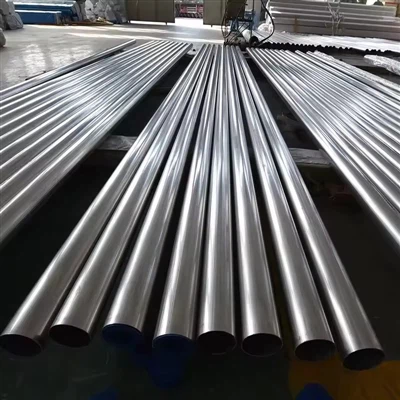
Heavy Welding Applications
In general, stainless steel is susceptible to intergranular corrosion due to the precipitation of chromium carbides between the grains during welding. It can also occur when carbon diffuses into the body of stainless steel from oil, plastic tape, and other organic substances under heat. The process is known as carburization. However, due to low carbon content, 316L thrives under such environments by offering excellent resistance to intergranular corrosion. Therefore, fabricators choose 316L over 316 in heavy gauge (>6mm) welded components.
Here's a concise comparison table of 316L stainless steel with other common stainless steel types:
| Stainless Steel Type | Corrosion Resistance | Tensile Strength | Main Chemical Components | Typical Cost | Typical Applications |
| 316L | Very High | High | 16-18% Cr, 10-14% Ni, 2-3% Mo, <0.03% C | Moderate | Medical devices, marine environments, chemical processing |
| 304 | High | Moderate | 18-20% Cr, 8-12% Ni, <0.08% C | Lower | Kitchen equipment, architectural paneling |
| 410 | Moderate | High | 11.5-13.5% Cr, <0.15% C | Lower | Cutlery, steam and gas turbine blades |
| 321 | High | High | 17-19% Cr, 9-12% Ni, 5x%C Ti | Higher | Aerospace components, exhaust systems |
Send Inquiry