

Alloy 20 vs. Duplex 2205: Overview
Oct 13, 2026
Leave a message

Selecting between Alloy 20 and Duplex 2205 is one of the most frequent material selection decisions in chemical processing, oil & gas, and marine engineering. Both alloys solve corrosion problems that standard 304/316L stainless steels cannot, but they do so through fundamentally different mechanisms-and understanding those differences can save your project thousands of dollars in lifecycle cost.
This guide breaks down both grades in depth, provides side-by-side technical data, and helps you make a confident specification decision.
What is Alloy 20 stainless steel?
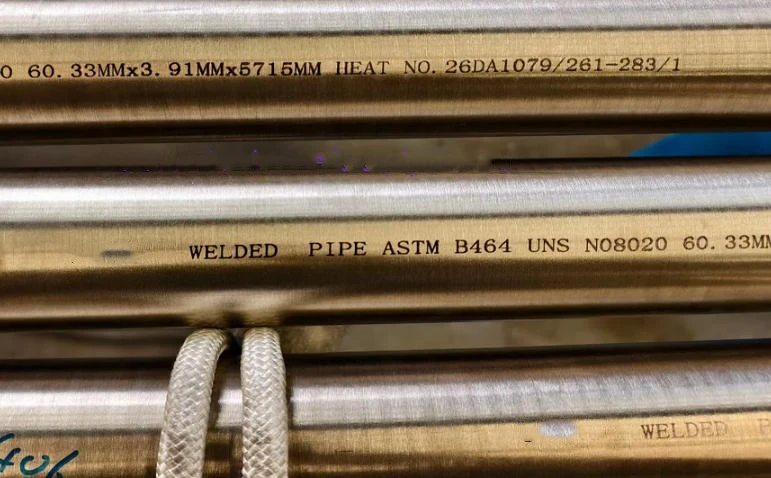
Alloy 20 stainless steel (UNS N08020) is a nickel-based austenitic corrosion-resistant alloy specifically developed for harsh chemical environments, particularly those involving sulfuric acid (H₂SO₄). The addition of copper and molybdenum enhances the material's resistance to reducing acids, pitting, and general corrosion. Combining excellent corrosion resistance with good weldability and fabricability, Alloy 20 is widely used in chemical processing equipment, acid storage tanks, pharmaceutical systems, heat exchangers, and the pulp and paper industry.
What is Duplex 2205 Stainless Steel?
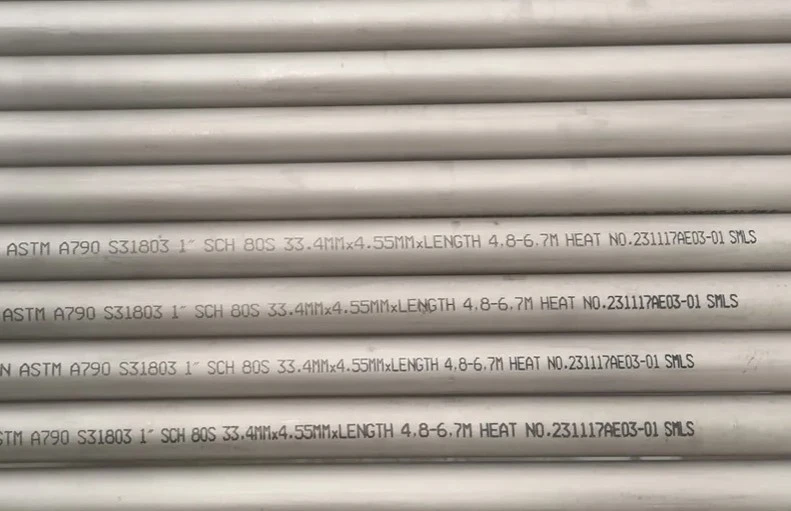
Duplex 2205 stainless steel (UNS S31803/S32205, EN 1.4462) is a nitrogen-enhanced duplex stainless steel featuring a balanced austenite-ferrite microstructure (approximately 50% ferrite and 50% austenite). It has a Pitting Resistance Equivalent Number (PREN) of approximately 35 and exhibits excellent resistance to chloride pitting, crevice corrosion, and stress corrosion cracking. With a minimum yield strength of approximately 450 MPa-nearly double that of 316L stainless steel-it is widely used in sectors such as marine engineering, chemical processing, seawater desalination, offshore pipelines, and pressure vessels.
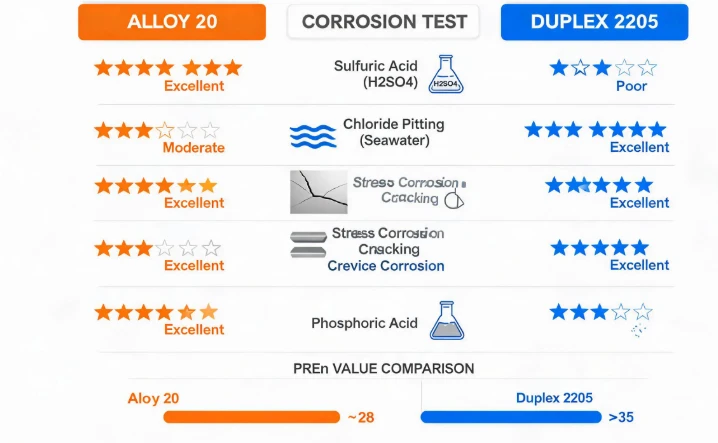
What is the difference between Alloy 20 and Duplex 2205?
Alloy 20 is a high-nickel (32-38%) austenitic alloy with 3-4% copper, optimized for sulfuric acid resistance. Duplex 2205 is a two-phase (austenitic-ferritic) stainless steel with 4.5-6.5% nickel and 3-3.5% molybdenum, offering higher yield strength (450 MPa vs 241 MPa) and superior chloride pitting resistance (PREn >35 vs ~28). They serve fundamentally different corrosion environments.
What is the maximum temperature for Alloy 20 vs 2205?
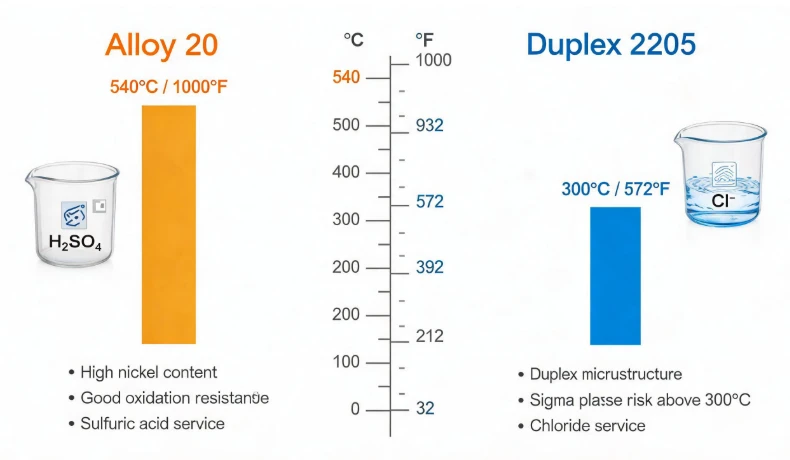
Alloy 20 can be used up to approximately 540°C (1000°F) for continuous service, with good oxidation resistance. Duplex 2205 is limited to 300°C (572°F) maximum continuous service due to the risk of intermetallic phase precipitation (sigma, alpha prime) that reduces toughness. For sour service per NACE MR0175, 2205 is approved up to 232°C (450°F).
Alloy 20 vs. Duplex 2205: Chemical Composition
| Element | Alloy 20 (N08020) | Duplex 2205 (S32205) |
|---|---|---|
| Carbon (C) | ≤ 0.07 | ≤ 0.030 |
| Chromium (Cr) | 19.0 – 21.0 | 22.0 – 23.0 |
| Nickel (Ni) | 32.0 – 38.0 | 4.5 – 6.5 |
| Molybdenum (Mo) | 2.0 – 3.0 | 3.0 – 3.5 |
| Copper (Cu) | 3.0 – 4.0 | - |
| Niobium (Nb/Cb) | 8×C min, 1.0 max | - |
| Nitrogen (N) | - | 0.14 – 0.20 |
| Manganese (Mn) | ≤ 2.0 | ≤ 2.0 |
| Silicon (Si) | ≤ 1.0 | ≤ 1.0 |
| Phosphorus (P) | ≤ 0.045 | ≤ 0.030 |
| Sulfur (S) | ≤ 0.035 | ≤ 0.020 |
| Iron (Fe) | Balance (~35%) | Balance (~68%) |
Alloy 20 vs. Duplex 2205: Mechanical Properties
The mechanical property differences between these two alloys are substantial. Duplex 2205's duplex microstructure provides nearly double the yield strength of Alloy 20, which has significant implications for wall thickness, weight, and cost in pressure-containing applications.
| Property | Alloy 20 (N08020) | Duplex 2205 (S32205) |
|---|---|---|
| Yield Strength (min) | 241 MPa / 35 ksi | 450 MPa / 65 ksi |
| Tensile Strength (min) | 551 MPa / 80 ksi | 655 MPa / 95 ksi |
| Elongation (min) | 30% | 25% |
| Hardness (max) | 217 HB | 290 HB |
| Microstructure | Austenitic (single phase) | Duplex (50/50 austenite/ferrite) |
| Magnetic | No (non-magnetic) | Yes (ferromagnetic) |
Alloy 20 vs. Duplex 2205: Physical Properties
| Physical Property | Alloy 20 | Duplex 2205 |
|---|---|---|
| Density | 8.06 g/cm³ (0.291 lb/in³) | 7.805 g/cm³ (0.282 lb/in³) |
| Melting Point | 1440–1450°C (2624–2642°F) | 1420–1465°C (2588–2669°F) |
| Thermal Expansion (RT-100°C) | 15.0 × 10⁻⁶/°C | 13.0 × 10⁻⁶/°C |
| Thermal Conductivity (100°C) | 12.3 W/m·K | 19.0 W/m·K |
| Specific Heat (0°C) | 500 J/kg·K | 470 J/kg·K |
| Electrical Resistivity | 1.08 μΩ·m | 0.85 μΩ·m |
| Young's Modulus | 193 GPa | 200 GPa |
Alloy 20 vs. Duplex 2205: PREn Calculation
The Pitting Resistance Equivalent Number (PREn) quantifies resistance to chloride pitting:
PREn = %Cr + 3.3 × %Mo + 16 × %N
Alloy 20: 20.0 + 3.3 × 2.5 + 16 × 0 = 20.0 + 8.25 + 0 ≈ 28.3 (no nitrogen)
Duplex 2205: 22.5 + 3.3 × 3.2 + 16 × 0.17 = 22.5 + 10.56 + 2.72 ≈ 35.8
Alloy 20 vs. Duplex 2205: Fabrication & Weldability
• Alloy 20:
• Weldability: Straightforward conventional welding (GTAW, GMAW, SMAW, FCAW) with minimal risk of intergranular corrosion thanks to niobium stabilization.
• Machinability: Good, relatively easy to machine and form.
• Duplex 2205:
• Weldability: Requires careful heat input and matching filler metals (such as ER2209/E2209) to re-establish a balanced 50/50 phase ratio in the heat-affected zone; higher skill level required to avoid hot-tearing or phase imbalance.
• Machinability: Lower machinability than standard austenitic grades due to higher strength.
Alloy 20 vs. Duplex 2205: How to Choose?
• Alloy 20 Applications:
• Piping and reaction vessels for chemical plants handling sulfuric, phosphoric, and acetic acids
• Equipment for petrochemical, synthetic rubber, and plastics manufacturing
• Storage tanks, pumps, and valves for mixed chemicals containing acidic media


• Duplex 2205 Applications:
• Marine engineering and offshore oil and gas platforms (e.g., subsea pipelines, seawater desalination units)
• Pressure vessels, heat exchangers, and scrubbing systems
• Pulp and paper industry (pulp digesters) and chemical tanker
• If your operating conditions involve strong acid environments (particularly sulfuric acid corrosion) and you prioritize ease of welding, Alloy 20 is the recommended choice.
• If your application requires high structural strength and resistance to chloride pitting or stress corrosion (such as in marine environments or high-pressure piping)-and you aim to reduce overall costs through thinner-walled designs-Duplex 2205 is the preferred choice and the most widely used duplex stainless steel globally.
If you can provide me with:
• The specific composition and temperature of the medium
• Whether the component is a pipe, vessel, or valve
I can assist you with a more detailed comparison for selection.
GNEE Supply Capability – Alloy 20 & Duplex Stainless Steel Solutions
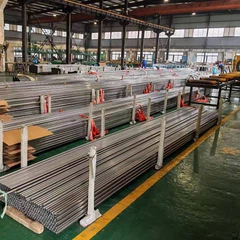
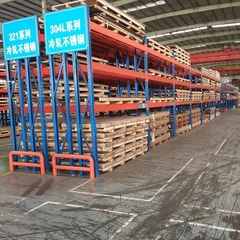
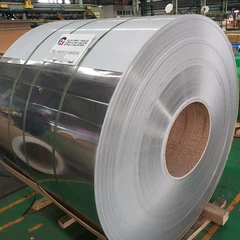
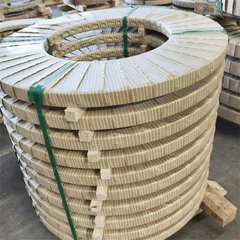
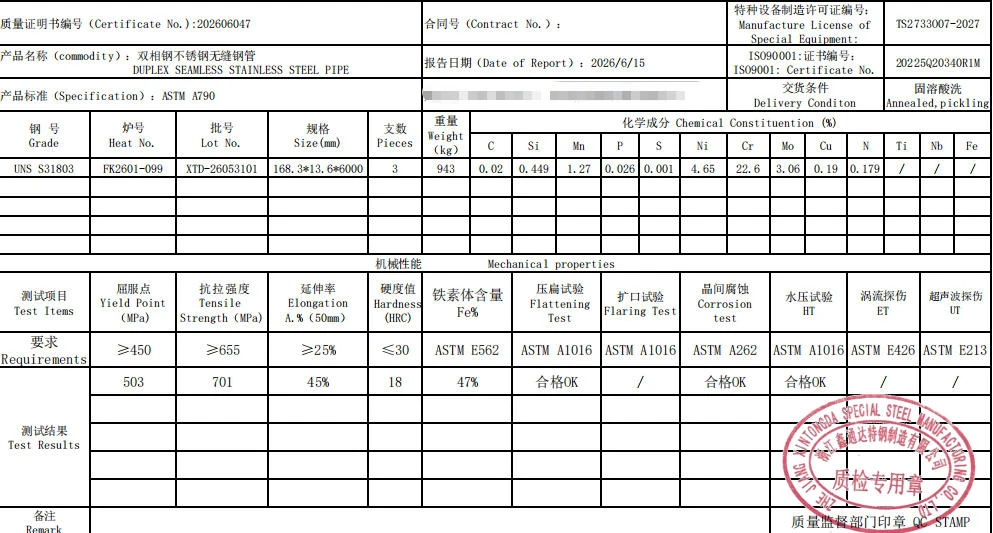
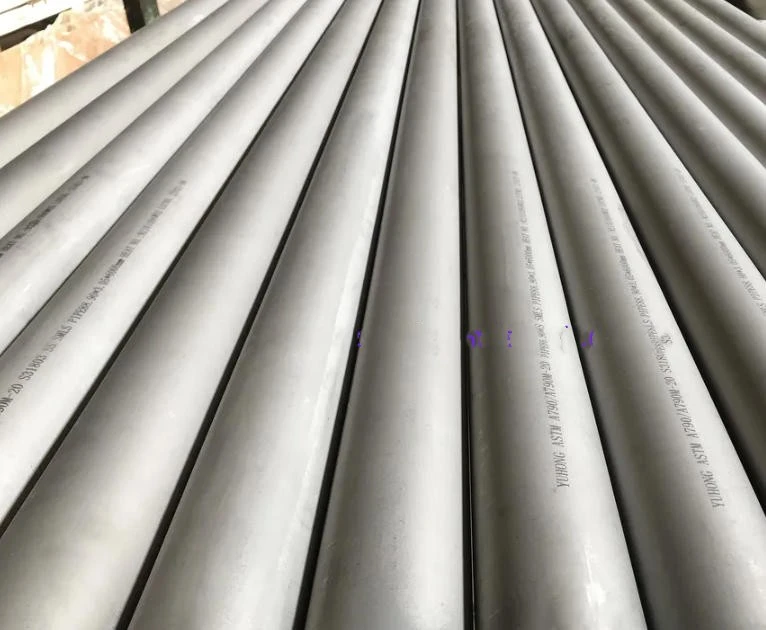
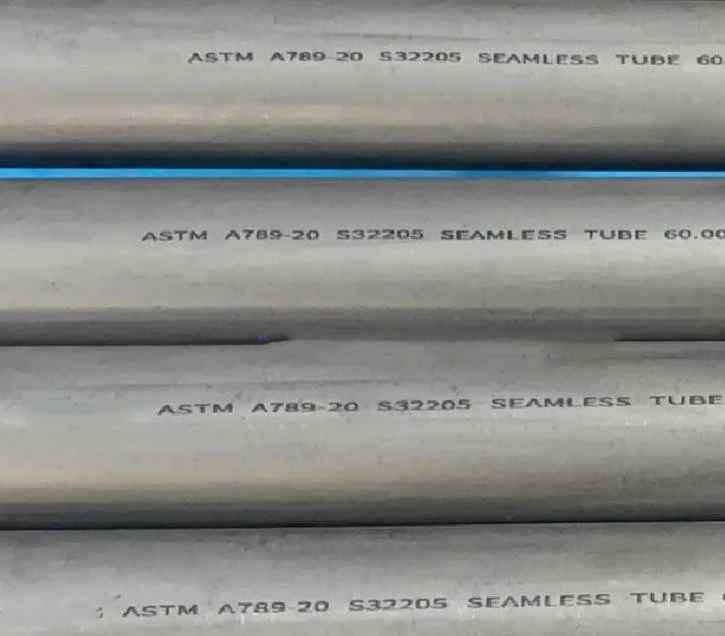
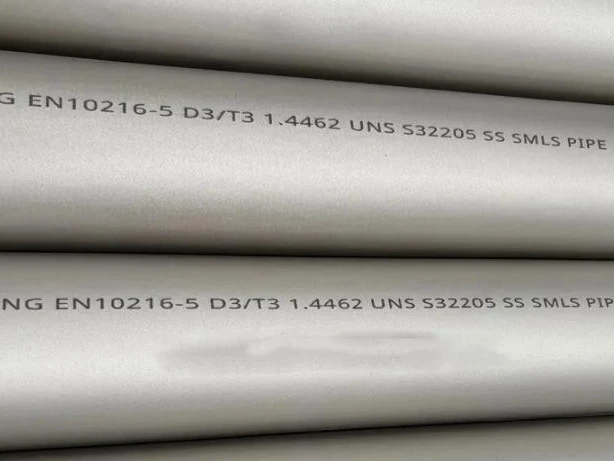
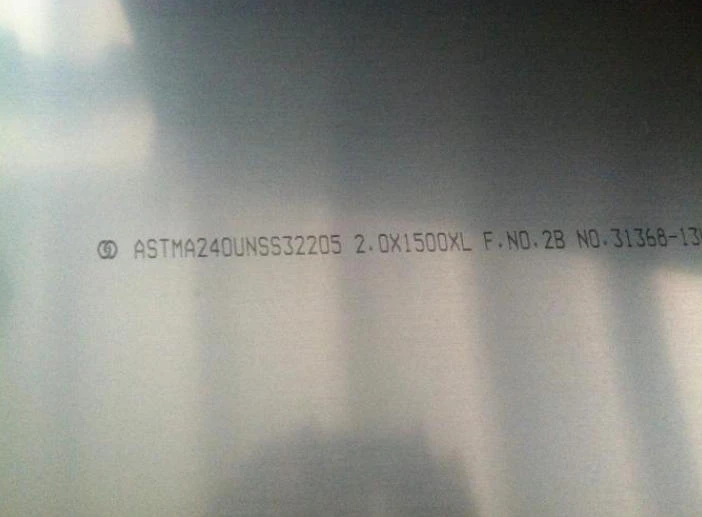
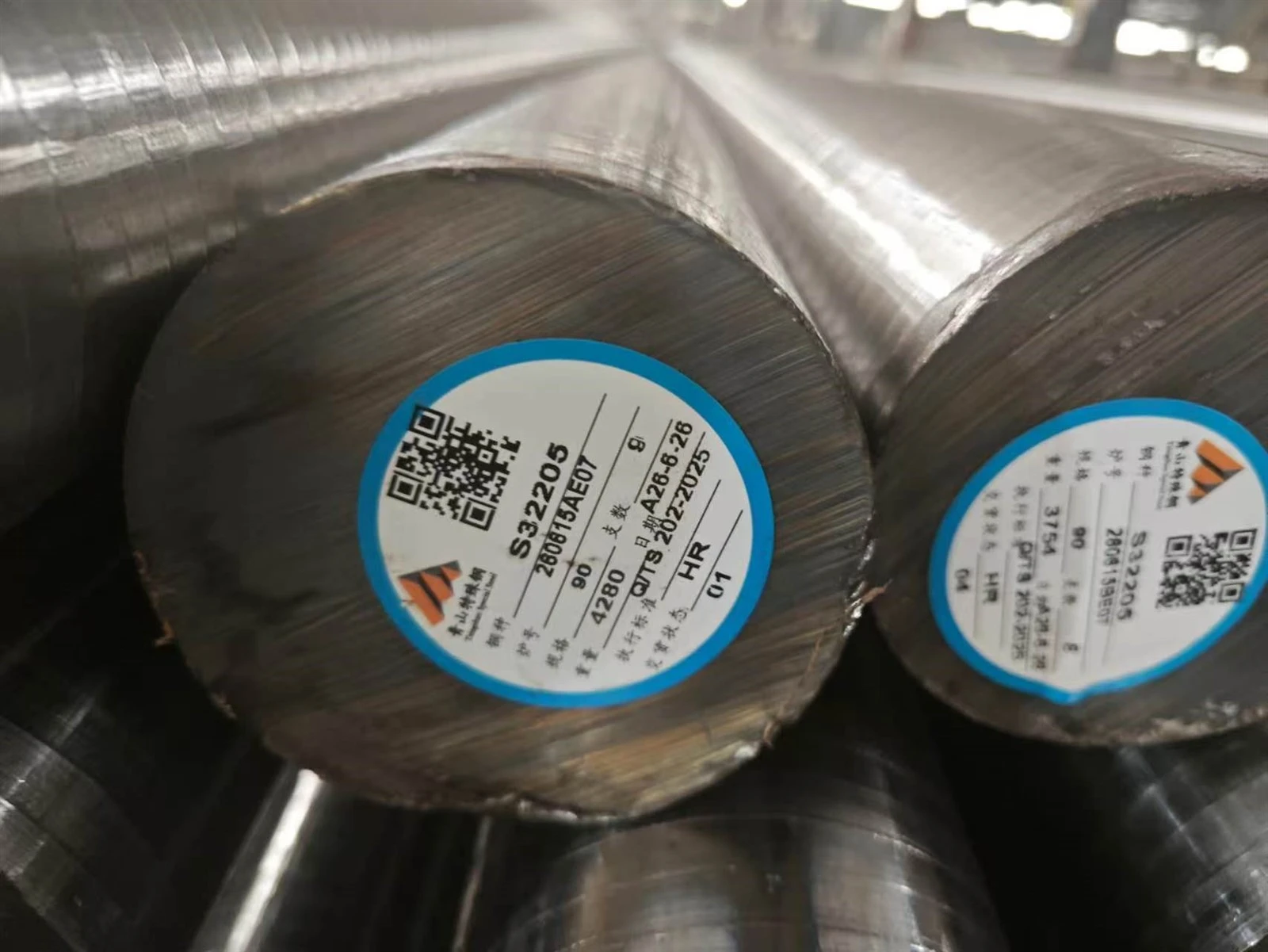
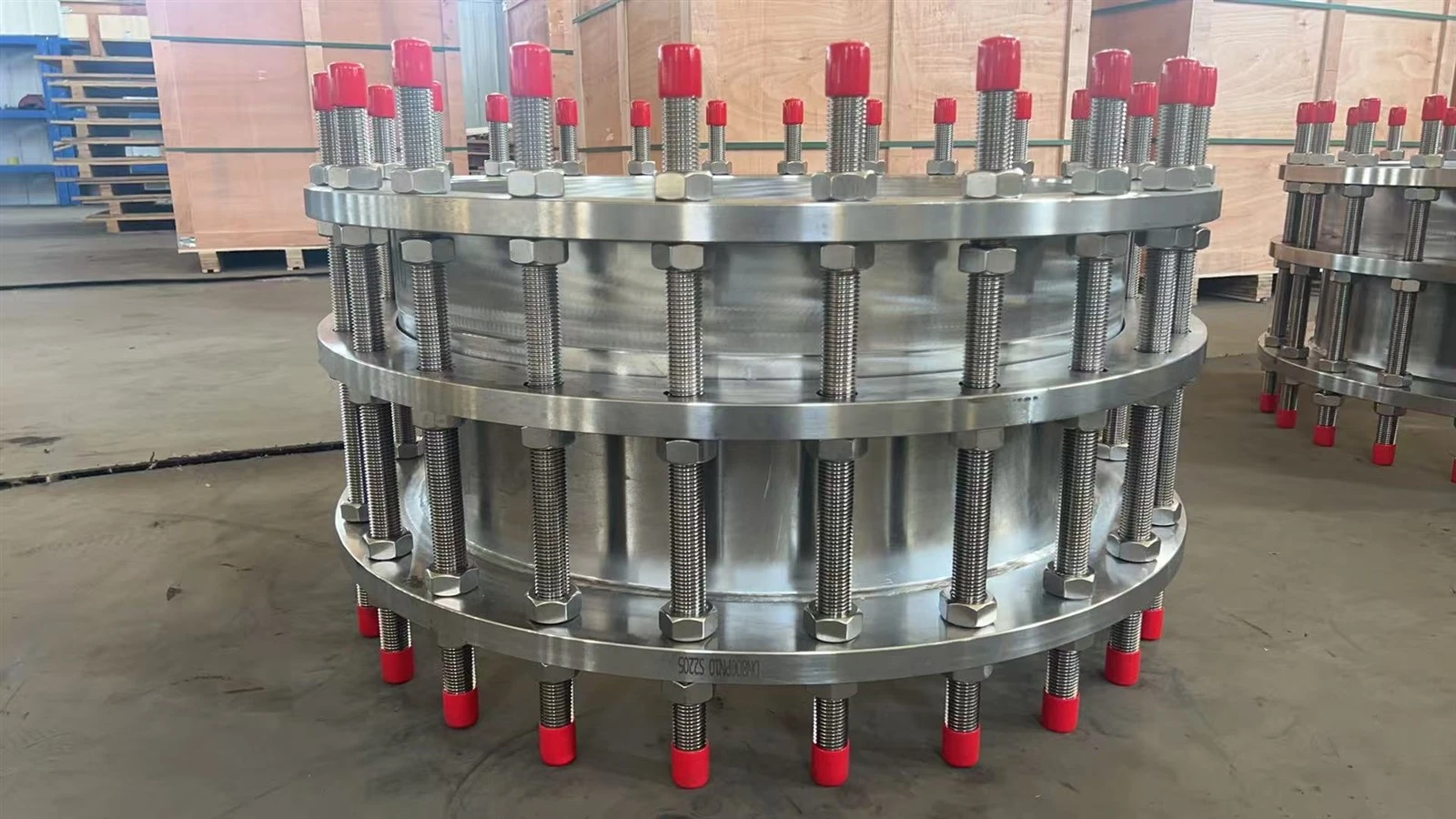
GNEE supplies corrosion-resistant stainless steel products including Duplex 2205 pipes, tubes, plates, fittings and flanges, with complete quality documentation including EN 10204 3.1 MTC, chemical analysis, mechanical testing and third-party inspection support. Products are manufactured according to international standards such as ASTM A240, ASTM A790, ASTM A789 and ASTM A182. With strict heat number traceability, dimensional inspection and export packaging control, GNEE helps global customers select reliable materials for chemical, marine, offshore and industrial applications.
FAQ
Which has higher strength: Alloy 20 or Duplex 2205?
Duplex 2205 is approximately 1.87 times stronger than Alloy 20. The minimum yield strength of 2205 is 450 MPa (65 ksi), whereas that of Alloy 20 is only 241 MPa (35 ksi). This strength advantage allows 2205 to utilize material with 40–50% thinner walls for the same pressure rating, thereby reducing both weight and material costs.
Is Alloy 20 magnetic?
No, Alloy 20 is non-magnetic, a property determined by its single-phase austenitic microstructure. Duplex 2205 is magnetic because it contains approximately 50% ferrite. This difference offers a simple field test: a magnet will adhere to 2205 but not to Alloy 20.
Why is Alloy 20 also known as Carpenter 20?
The name "Carpenter 20" originates from Carpenter Technology Corporation, the company that developed and commercialized the alloy. The grade designation "20Cb-3" refers to the third-generation (3) product stabilized with niobium (Cb, or columbium). Other names include Incoloy 20 and 20Cb-3; all these names refer to the same UNS N08020 specification.
Which is more expensive: Alloy 20 or Duplex 2205?
Alloy 20 is typically 50% to 100% more expensive than Duplex 2205, primarily due to its significantly higher nickel content (32%–38% vs. 4.5%–6.5%) and the addition of copper (3%–4%). The high nickel content makes the price of Alloy 20 more susceptible to fluctuations in nickel prices on the London Metal Exchange (LME). The use of Alloy 20 is recommended only when the benefits derived from its sulfuric acid resistance are sufficient to offset its high cost.
Send Inquiry