

What is the price of Inox 304 per kg?
Apr 14, 2026
Leave a message
If you are looking for the price of Inox 304 stainless steel per kg, the final cost depends on the product form, thickness, surface finish, quantity, origin, nickel price, certification and delivery terms. Inox 304 is generally priced above carbon steel because it contains approximately 18% chromium and 8% nickel. For procurement, buyers should compare not only the price per kilogram, but also the material grade, ASTM/EN standard, MTC, inspection, packaging, freight and total delivered cost.
What Is Inox 304 Stainless Steel?
Inox 304 stainless steel (UNS S30400 / EN 1.4301) is a versatile austenitic alloy containing 18–20% chromium and 8–10.5% nickel. With a minimum tensile strength of 515 MPa and yield strength of 205 MPa, it offers excellent corrosion resistance, formability, and weldability, making it the globally preferred standard for food processing, chemical piping, and architectural application.
What is the price of Inox 304 per kg?
|
Product Form |
Finish & Condition |
Reference Price Range (USD/kg) |
|---|---|---|
|
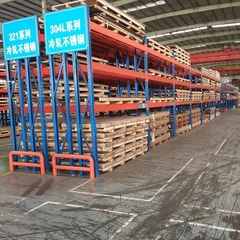
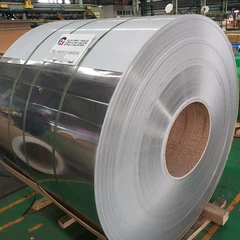
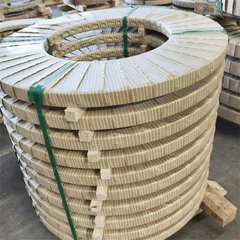
Hot-Rolled Coil (HR Coil) |
No.1 industrial finish; thickness 3.0–12.0 mm |
$2.30–$2.80/kg |
|
Cold-Rolled Sheet (CR Sheet) |
2B / BA bright finish / HL hairline finish |
$2.60–$3.50/kg |
|
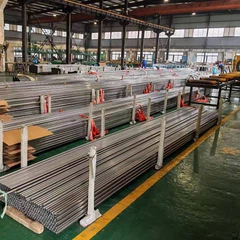
Industrial Welded Pipe |
Automatic TIG welding / pickled and passivated |
$2.80–$3.80/kg |
|
Seamless Stainless Steel Pipe |
Cold-drawn or hot-extruded, solution annealed; ASTM A312 |
$3.60–$5.20/kg |
|
Round Bar and Forgings |
Black hot-rolled / pickled / bright polished bar |
$2.90–$4.20/kg |
Procurement note: These are indicative FOB reference ranges, not firm current quotations. Before placing an order, confirm the exact grade, product standard, dimensions, surface finish, quantity, MTC, inspection, packing, delivery port and Incoterm with the supplier.
Four Key Factors Influencing Inox 304 Prices
LME Nickel Price Fluctuations:
Grade 304 stainless steel contains 8%–10.5% nickel (Ni). As a high-value metal, fluctuations in its international commodity price directly determine the "alloy surcharge" announced monthly by steel mills.
Minimum Order Quantity (MOQ) and Tiered Pricing:
Orders exceeding 20 tons (Full Container Load/FCL) typically qualify for wholesale discounts of up to 10%–15%, whereas small, fragmented orders (Less than Container Load/LCL) incur additional premiums for leveling, slitting, and logistics.
Surface Finish and Tolerance Control:
Specifications such as hairline finishes or 8K mirror finishes (with PE protective film) and precision thickness tolerances (e.g., negative tolerance controlled within 0.02mm) result in additional processing costs.
Quality Certification and Testing Requirements:
The cost per ton increases slightly for batches requiring documentation such as EN 10204 3.1 Material Test Certificates (MTC), third-party PMI (spectroscopic analysis), or hydrostatic/ultrasonic flaw detection.
What are the prices for Inox 304 and Inox 304L?
Their prices are very similar; the unit price per kilogram for 304L (a low-carbon grade with C ≤ 0.03%) is typically only $0.05–$0.15 higher than that of standard 304. Since 304L effectively prevents intergranular corrosion in welded areas, many modern steel mills now use "dual certification" (certifying the product as meeting both 304 and 304L standards).
How can one predict trends in Inox 304 procurement costs?
Focus on two key indicators: LME Nickel price trends and Ferrochrome long-term contract prices. If nickel prices rise, steel mills usually increase alloy surcharges the following month. For bulk purchases, it is advisable to secure a price validity period of 7–14 days with the supplier.
Why do Inox 304 quotes vary significantly between suppliers?
The main differences stem from: 1) Negative thickness tolerance (some low-priced products have insufficient actual thickness-i.e., the "negative deviation" is excessive);
2) Differences between scrap remelt material and refined material (material remelted in medium-frequency furnaces often contains more impurities and has poorer corrosion resistance, whereas material from AOD/VOD refining furnaces meets quality standards);
3) Whether the quote includes freight, tariffs, or packaging/protection costs.
When purchasing Inox 304, is it more cost-effective to price by weight (kg/ton) or by unit (sheet/piece)?
In industrial B2B procurement, pricing based on actual weight is the most transparent and cost-effective method. If pricing by unit or theoretical weight, it is essential to clarify the tolerance ranges for thickness and outer diameter beforehand; this prevents paying an artificially high unit price due to negative tolerances when the cost is calculated based on theoretical weight.
How can I quickly verify if the purchased Inox 304 meets quality standards during inspection?
1) Use a handheld XRF analyzer (PMI) to measure the actual Cr (18–20%) and Ni (8–10.5%) content on-site;
2) Check that the batch numbers on the packaging and the pipe markings match those on the EN 10204 3.1 quality certificate;
3) Conduct a chemical spot test or salt spray test to quickly rule out low-nickel, inferior substitutes such as Grade 201.


Send Inquiry