







astm a351 cf8m equivalent material
Sep 18, 2026
Leave a message
What Is ASTM A351 CF8M?
ASTM A351 CF8M is an austenitic stainless steel casting grade designed for pressure-containing components (such as valve bodies, pump casings, and pipe fittings).
CF = Corrosion-resistant iron-chromium-nickel alloy
8 = Nominal nickel content of approximately 8%
M = Contains molybdenum (2.0–3.0%)
It is the cast equivalent of wrought AISI 316 / UNS S31600 and offers excellent resistance to pitting and crevice corrosion in chloride-containing environments.
What is the equivalent material for ASTM A351 CF8M?
The forged equivalent of CF8M is AISI 316 / UNS S31600 (corresponding to ASTM A182 F316). The European equivalent grade is EN 1.4401, the Japanese equivalent is SUS 316, and the Russian equivalent is GOST 03CH17N14M3.
ASTM A351 CF8M Equivalent Material
| ASTM Grade | AISI (US) | UNS | EN/DIN (EU) | BS (UK) | JIS (Japan) | GOST (Russia) |
|---|---|---|---|---|---|---|
| ASTM A351 CF8M | 316 | S31600 | 1.4401 | 316S17 | SUS 316 | 03Х17Н14М3 |
| ASTM A351 CF8M | 316 | S31600 | 1.4409 | - | - | - |
| ASTM A351 CF3M | 316L | S31603 | 1.4404 | 316S12 | SUS 316L | 03Х17Н14М3 |
| ASTM A351 CF8 | 304 | S30400 | 1.4301 | 304S16 | SUS 304 | 08Х18Н10 |
Note: Some references list EN 1.4409 as an equivalent of CF8M; however, EN 1.4401 is generally considered the closest European equivalent for ASTM A351 CF8M (cast 316 stainless steel). EN 1.4409 is another 316-type variant with differences in chemical composition and application scope. For procurement, always verify the actual chemical composition and mechanical properties shown on the supplier's MTC (Material Test Certificate).
CF8M vs. 316:Chemical Composition
Key Difference:The chemical composition ranges of cast CF8M and wrought 316 differ because of element segregation during the solidification process and the ferrite/austenite phase distribution in cast structures. CF8M allows a higher chromium range (up to 21%) compared with wrought 316 (18%) to maintain corrosion resistance and casting performance according to ASTM A351 requirements.
| Element | ASTM A351 CF8M (Cast) | AISI 316 / F316 (Wrought) |
|---|---|---|
| C (max %) | 0.08 | 0.08 |
| Cr (%) | 18.0 – 21.0 | 16.0 – 18.0 |
| Ni (%) | 9.0 – 12.0 | 10.0 – 14.0 |
| Mo (%) | 2.0 – 3.0 | 2.0 – 3.0 |
| Si (max %) | 1.50 | 1.00 |
| Mn (max %) | 1.50 | 2.00 |
| P (max %) | 0.04 | 0.045 |
| S (max %) | 0.04 | 0.030 |
CF8M vs. CF3M:Mechanical Properties
Key Difference:CF8M generally allows a higher service temperature range (up to approximately 538 °C) compared with CF3M (425 °C) because CF3M's lower carbon content changes its high-temperature carbide precipitation behavior and affects its allowable temperature range in certain applications.
| Mechanical Property | CF8M (Solution Annealed) | CF3M (Solution Annealed) |
|---|---|---|
| Tensile Strength (min) | 485 MPa / 70 ksi | 485 MPa / 70 ksi |
| Yield Strength (min) | 205 MPa / 30 ksi | 205 MPa / 30 ksi |
| Elongation (min) | 30% | 30% |
| Hardness (Typical) | 130–180 HBW | 130–180 HBW |
| Service Temperature Range | −254 °C to 538 °C | −254 °C to 425 °C |
| Heat Treatment | Solution annealing ≥1040 °C, followed by water quenching | Solution annealing ≥1040 °C, followed by water quenching |
| Ferrite Content (Typical) | 5–20% | 5–20% |
What is the difference between CF8M and 316 stainless steel?
They share the same chemical composition, but CF8M is a cast grade (ASTM A351), whereas 316 is a wrought grade (ASTM A240/A276). The chromium range for castings (18–21%) is broader than that for wrought products (16–18%), and castings are subject to stricter NDT requirements.
What is the difference between CF8M and CF8?
CF8M contains 2–3% molybdenum, whereas CF8 contains no molybdenum (Mo ≤ 0.5%). CF8M offers significantly better pitting corrosion resistance in chloride-containing environments than CF8. CF8M is roughly equivalent to Grade 316, and CF8 to Grade 304.
CF8M vs. CF8 vs. CF3M : Material Selection Guide
| Comparison Factor | CF8 (≈304) | CF8M (≈316) | CF3M (≈316L) |
|---|---|---|---|
| Molybdenum Content | ❌ None | ✅ 2–3% Mo | ✅ 2–3% Mo |
| Carbon Content | ≤0.08% | ≤0.08% | ≤0.03% |
| Pitting Corrosion Resistance (Cl⁻ Environment) | General | Excellent | Excellent |
| Welding Sensitivity | Medium | Medium | Low (Low-carbon advantage) |
| Typical Applications | Fresh water, mild corrosive environments | Seawater, chemical processing, chloride-containing media | Welded components where post-weld solution annealing is not practical |
| Relative Price | Base level | Base +15–25% | Base +20–35% |
When should CF3M be selected instead of CF8M?
CF3M (C ≤ 0.03%) should be selected when the casting will not undergo solution heat treatment after welding, in order to reduce the risk of intergranular corrosion in the heat-affected zone (HAZ). If solution treatment is performed after welding, CF8M is acceptable.
ASTM A351 vs. ASTM A743Standard:Differences
| Comparison Factor | ASTM A351 | ASTM A743 |
|---|---|---|
| Scope of Application | Pressure-containing cast components (valves, pump bodies, pressure equipment parts) | General corrosion-resistant castings (non-pressure applications) |
| Inspection Requirements | More stringent requirements, including NDT and pressure testing when specified | Relatively less stringent inspection requirements |
| Certification Requirements | Often requires ASME-qualified foundries for pressure equipment applications | No mandatory ASME certification requirement |
| Typical Applications | Piping systems, pressure vessels, valves, pumps, and other pressure-retaining equipment | Structural components, non-pressure housings, covers, and corrosion-resistant cast parts |
Supplier of ASTM A351 CF8M stainless steel castings
GNEE can supply ASTM A351 CF8M stainless steel castings (cast equivalent to AISI 316) for pressure-containing and corrosion-resistant applications, including valve bodies, pump casings, impellers, pipe fittings, flanges, and custom cast components. Products can be manufactured according to customer drawings with processes such as investment casting, CNC machining, solution heat treatment, and surface finishing. GNEE provides full material traceability with EN 10204 3.1 MTC, chemical composition analysis, mechanical testing, dimensional inspection, PMI, and NDT reports to ensure compliance with ASTM A351 requirements for demanding industries such as marine, chemical processing, oil & gas, and industrial fluid systems.
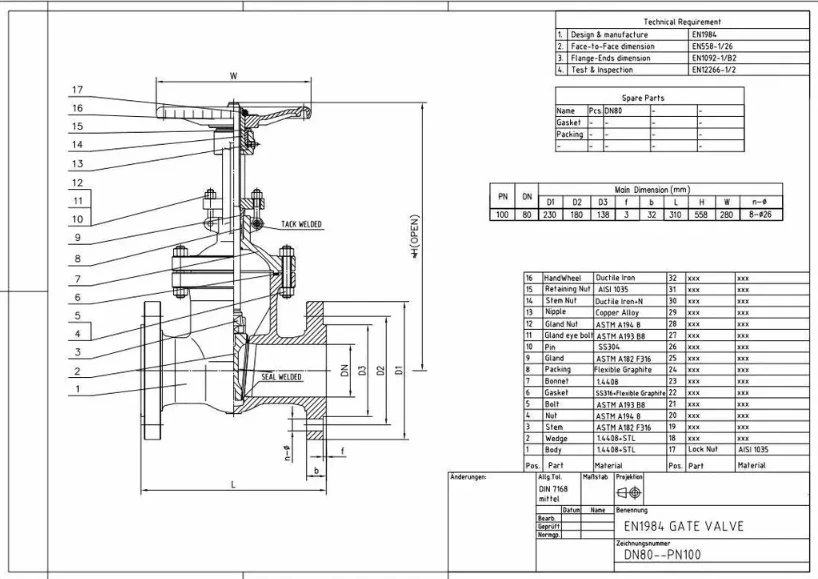
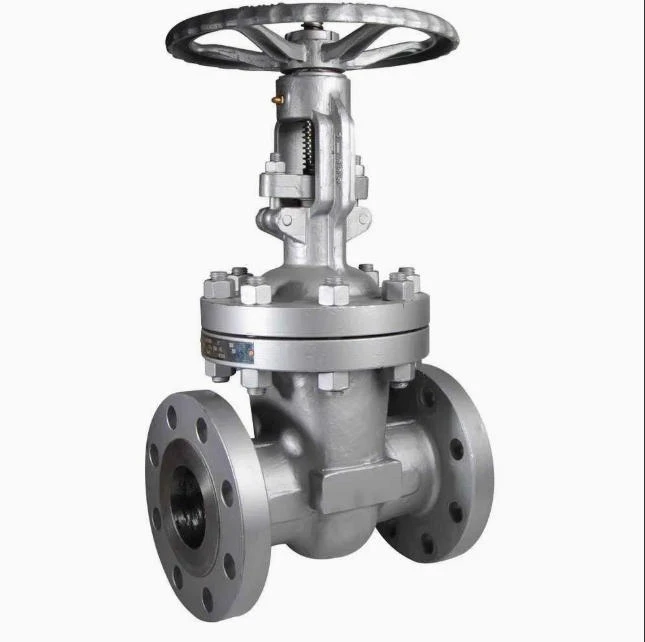
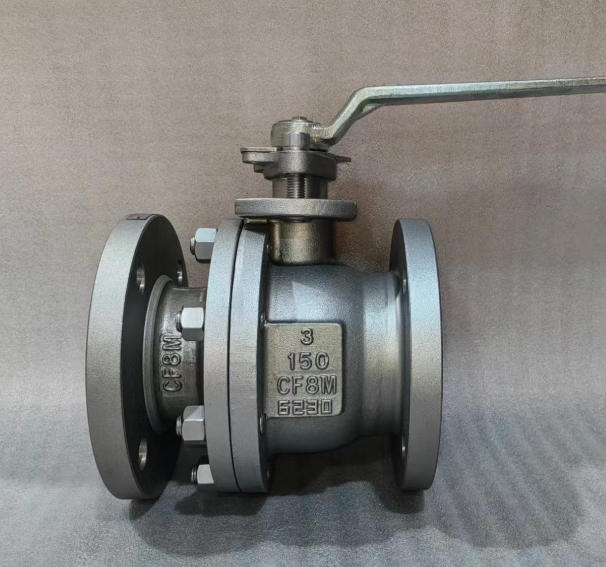
ASTM A351 CF8M Stainless Steel Gate Valve
| Product Name | Stainless Steel Flange Gate Valve |
| 1. Material | SS304/316/304L/316L ( CF8/CF8M/CF3/CF3M), etc. |
| 2. Size | 1/2~12 inch (DN15~DN300) |
| 3. Connection ends | Thread ends/Flange end |
| 4. Port | Full Port |
| 5. Working Pressure | PN16-PN25/150LB-300LB/10K-20K |
| 6. Working Temp. | -20~120ºC, or according to customer requirements for different industry. |
| 7. Suitable Medium | Water, Natural Gas, Oil and some corrosive liquid |
| 8. Operated | Swing |
| 9. Inspection & Testing | API598, EN12266 |
| 10.Delivery Time | 30~45 Days |
| 11.Package | Standard Exporting Plywood Case |
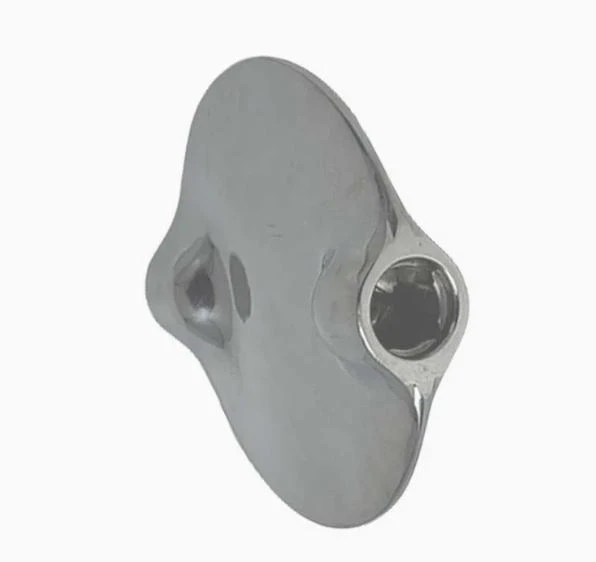
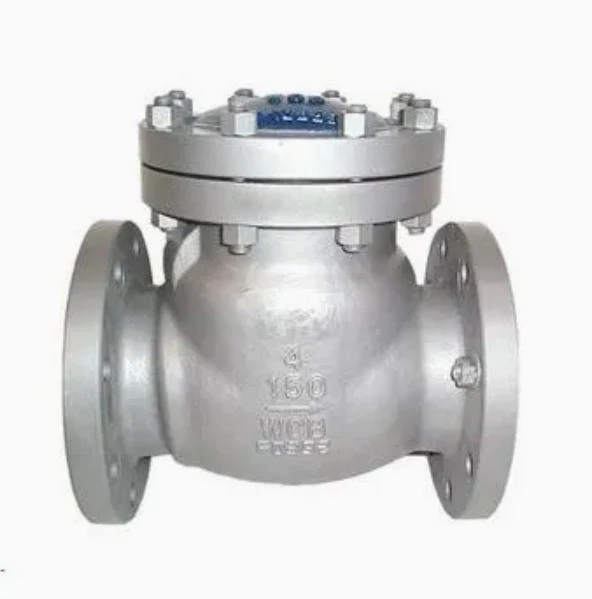
In addition, we also offer the following products:

To help formulate more targeted specifications or testing protocols, could you please clarify:
Do you require specific limits for chemical composition or minimum requirements for mechanical properties?
For which specific components or operating environments (e.g., temperature, exposure to chemicals) are you designing?
FAQ
Q: Are A351 CF8M and A743 CF8M interchangeable?
A: They are not directly interchangeable. A351 applies to pressure-retaining components, requiring ASME certification and stricter NDT; A743 applies to non-pressure-retaining components in general corrosive environments. A743 certification cannot be substituted for A351 without the owner's written approval.
Q: What is the maximum service temperature for CF8M?
A: The service temperature range for solution-annealed CF8M is −254°C to 538°C (−425°F to 1000°F). Creep and oxidation issues must be considered for temperatures exceeding 538°C.
Q: Why is it necessary to control ferrite content in CF8M castings?
A: Ferrite (5–20%) helps inhibit hot cracking during casting, but excessive ferrite (>25%) reduces corrosion resistance. The actual ferrite percentage should be stated in the MTC (Material Test Certificate).
Q: What welding consumables are used for CF8M?
A: ER316L/E316L (AWS A5.9/A5.4) electrodes or filler wires are typically used. If the base metal is CF8M, carbon enrichment may occur in the heat-affected zone (HAZ); therefore, post-weld solution annealing or switching to CF3M base metal is recommended.
Send Inquiry