

Duplex 2205 chemical composition.PDF
Oct 19, 2026
Leave a message
What is Duplex 2205 Stainless Steel?
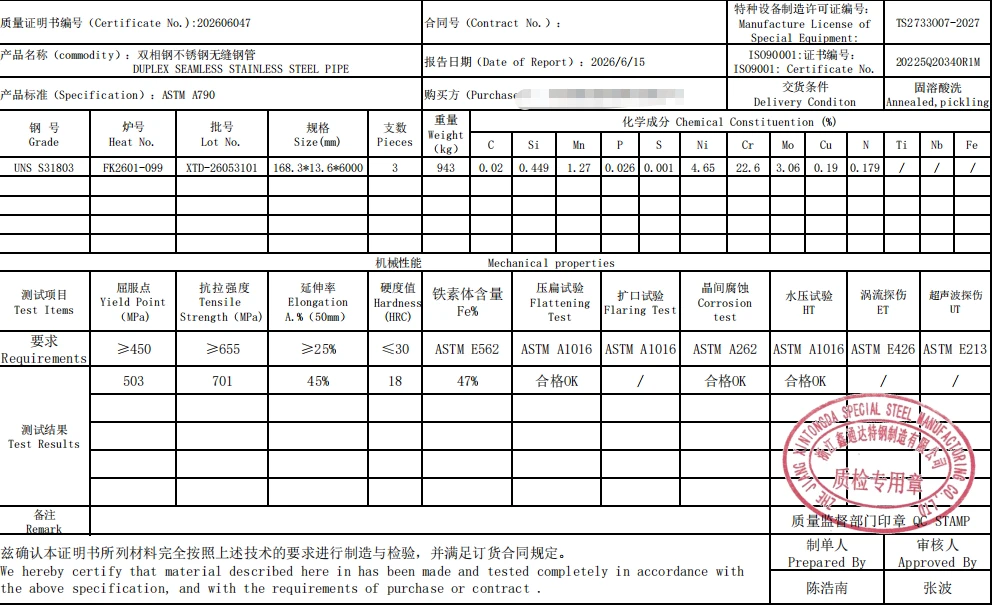
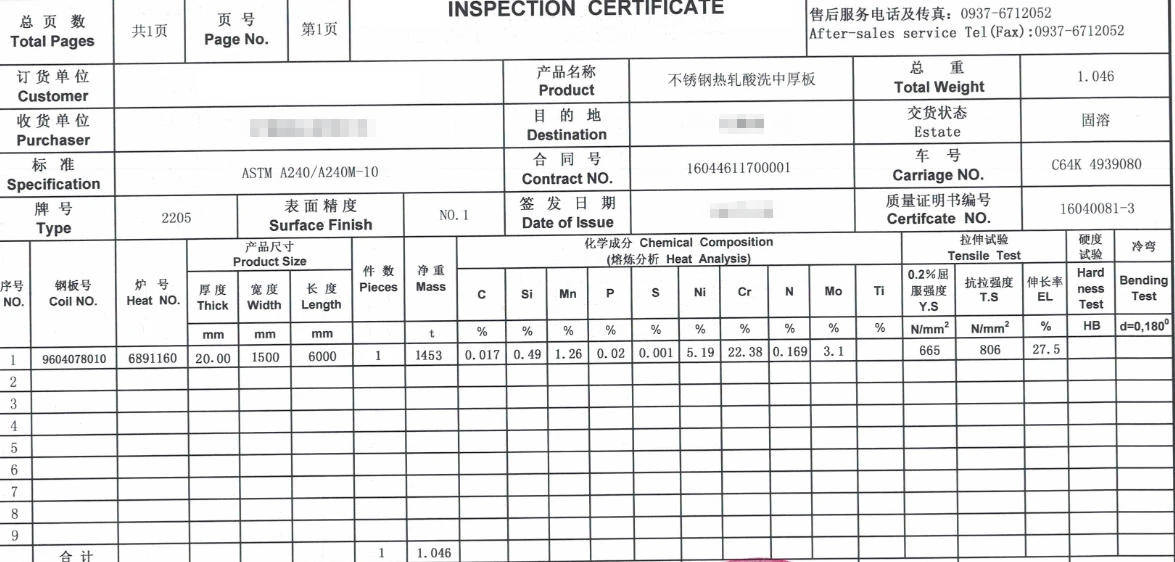
Duplex 2205 stainless steel is a ferritic-austenitic duplex steel, typically designated as UNS S31803/S32205 or EN 1.4462. Its alloy composition generally includes 22%–23% chromium, 4.5%–6.5% nickel, and 3.0%–3.5% molybdenum; under the stricter S32205 specification, it also contains 0.14%–0.20% nitrogen. In appropriate operating environments, these elements enable the material to outperform many conventional austenitic stainless steels in terms of resistance to pitting, crevice corrosion, and chloride-induced stress corrosion cracking.
Compared to 316L stainless steel, Duplex 2205 stainless steel-in standard plate specifications-typically offers a minimum yield strength approximately twice as high. Furthermore, it demonstrates superior resistance to chloride-induced stress corrosion cracking and localized corrosion across a wide range of environments.
Click to download the Duplex 2205 specification.PDF

Duplex 2205 Material Standard
|
Item |
Technical information |
|---|---|
|
Common grade name |
Duplex 2205 |
|
UNS designations |
S31803 / S32205 |
|
EN material number |
1.4462 |
|
EN designation |
X2CrNiMoN22-5-3 |
|
Material family |
Ferritic-austenitic duplex stainless steel |
|
Typical alloy system |
22Cr–5Ni–3Mo–N |
|
Common plate standard |
ASTM A240 / ASME SA-240 |
|
Common pipe standard |
ASTM A790 / ASME SA-790 |
|
Common tube standard |
ASTM A789 / ASME SA-789 |
|
Common bar standards |
ASTM A276 / ASTM A479 |
|
Common forging standard |
ASTM A182, with grade and class confirmed in the order |
Procurement note: S31803 and S32205 are closely related designations, but their specification limits are not identical. In particular, S32205 has tighter minimum chromium, molybdenum, and nitrogen requirements than the original S31803 composition range. If the project specifically requires S32205, the purchase order and MTC should identify compliance with S32205 rather than simply stating "2205."
Duplex 2205 Chemical Composition
The following table shows the commonly specified chemical composition limits for UNS S32205 under ASTM A240 for plate, sheet, and strip, expressed as weight percentages. Buyers ordering pipe, tube, bar, or forgings should verify the requirements of the applicable product standard and its specified edition.
|
Chemical element |
Symbol |
Minimum (wt.%) |
Maximum (wt.%) |
|---|---|---|---|
|
Carbon |
C |
- |
0.030 |
|
Chromium |
Cr |
22.00 |
23.00 |
|
Nickel |
Ni |
4.50 |
6.50 |
|
Molybdenum |
Mo |
3.00 |
3.50 |
|
Nitrogen |
N |
0.14 |
0.20 |
|
Manganese |
Mn |
- |
2.00 |
|
Silicon |
Si |
- |
1.00 |
|
Phosphorus |
P |
- |
0.030 |
|
Sulfur |
S |
- |
0.020 |
|
Iron |
Fe |
Balance |
- |
What is the difference between S31803 and S32205 chemical composition?
This distinction matters when evaluating certificates and supplier quotations.
|
Element |
UNS S31803, commonly specified range (%) |
UNS S32205, commonly specified range (%) |
|---|---|---|
|
Chromium (Cr) |
21.00–23.00 |
22.00–23.00 |
|
Nickel (Ni) |
4.50–6.50 |
4.50–6.50 |
|
Molybdenum (Mo) |
2.50–3.50 |
3.00–3.50 |
|
Nitrogen (N) |
0.08–0.20 |
0.14–0.20 |
|
Carbon (C) |
≤0.030 |
≤0.030 |
|
Manganese (Mn) |
≤2.00 |
≤2.00 |
|
Silicon (Si) |
≤1.00 |
≤1.00 |
|
Phosphorus (P) |
≤0.030 |
≤0.030 |
|
Sulfur (S) |
≤0.020 |
≤0.020 |
The ranges above are commonly published for these designations, but the applicable product specification takes precedence. A heat meeting the tighter S32205 limits may also satisfy S31803 chemistry, but buyers should not assume that every product marked S31803 meets all S32205 requirements, including mechanical properties.
What is the PREN of Duplex 2205?
The Pitting Resistance Equivalent Number (PREN) is commonly used as a comparative metric for evaluating a material's resistance to pitting corrosion. For 2205 duplex stainless steel, a widely adopted formula is:
PREN = %Cr + 3.3(%Mo) + 16(%N)
Using representative values-22.5% chromium (Cr), 3.25% molybdenum (Mo), and 0.17% nitrogen (N)-the calculated PREN is approximately 35.9. Consequently, its typical value generally falls between 35 and 36, depending on the specific chemical composition and the formula employed for the calculation.
Duplex 2205 Mechanical Properties
The following are common minimum requirements for UNS S32205 plate under ASTM A240. Other product forms and standards may have different requirements.
|
Mechanical property |
Typical ASTM A240 minimum or limit |
Unit |
|---|---|---|
|
Tensile strength |
655 minimum |
MPa |
|
0.2% yield strength |
450 minimum |
MPa |
|
Elongation |
25 minimum |
% |
|
Hardness |
31 maximum |
HRC |
|
Density |
Approximately 7.8 |
g/cm³ |
Duplex 2205 vs. 316L: performance comparison
|
Property |
Duplex 2205 |
316L stainless steel |
|---|---|---|
|
Typical chromium content |
22–23% |
16–18% |
|
Typical molybdenum content |
3.0–3.5% for S32205 |
2–3% |
|
Minimum yield strength under common plate specifications |
450 MPa |
170 MPa |
What Products Can Be Manufactured From Duplex 2205?
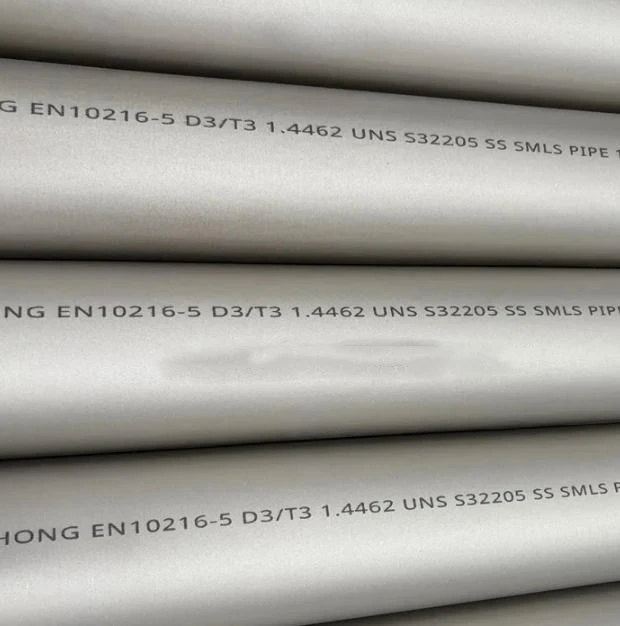
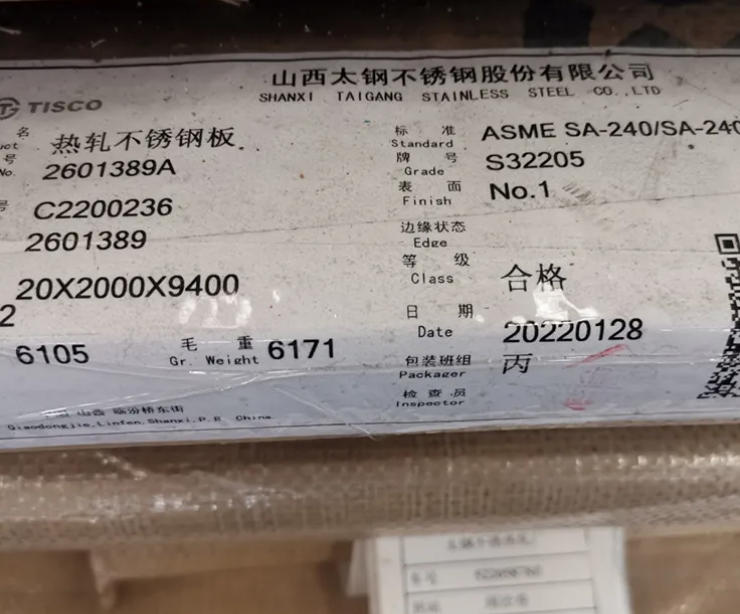
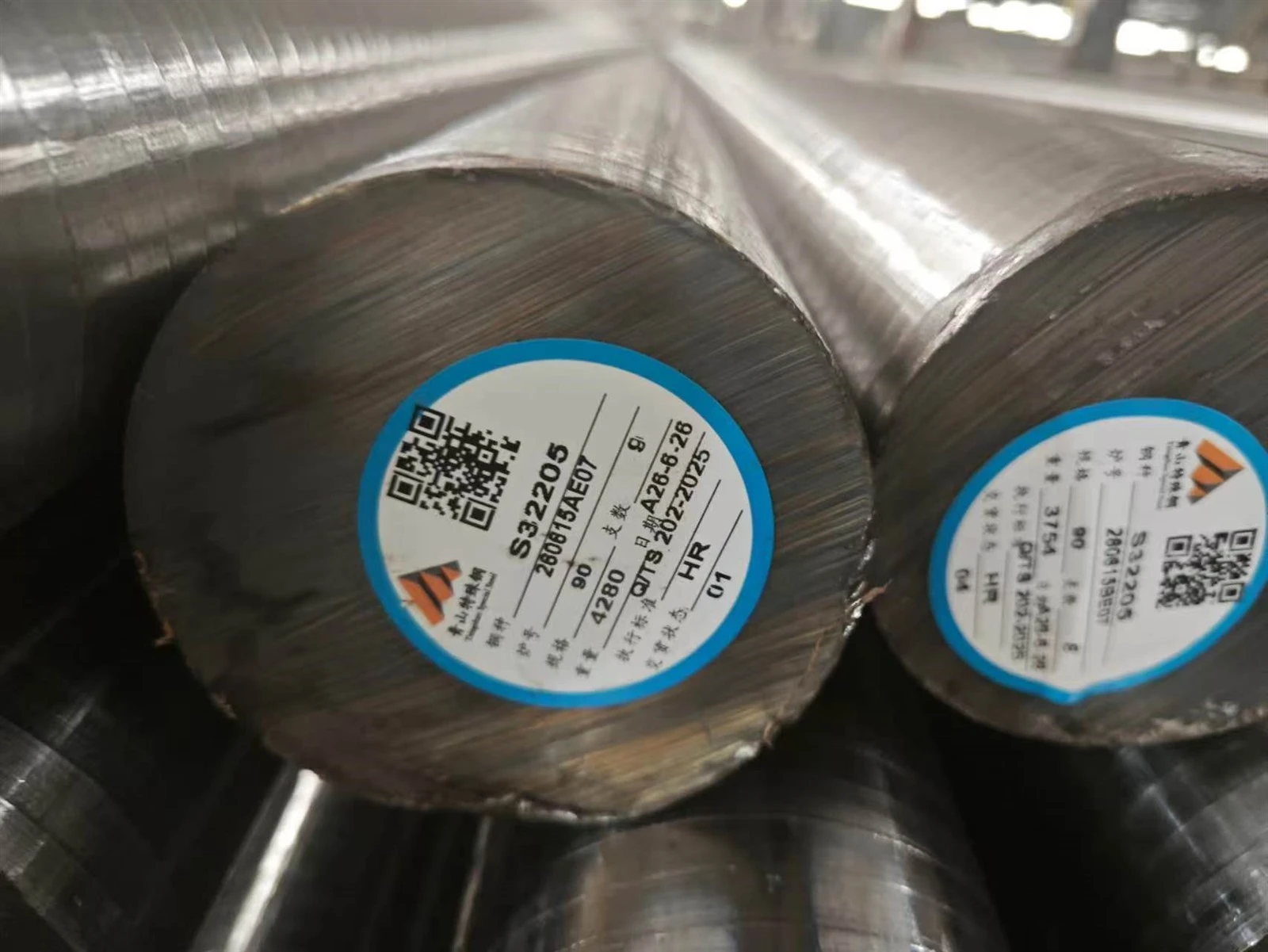
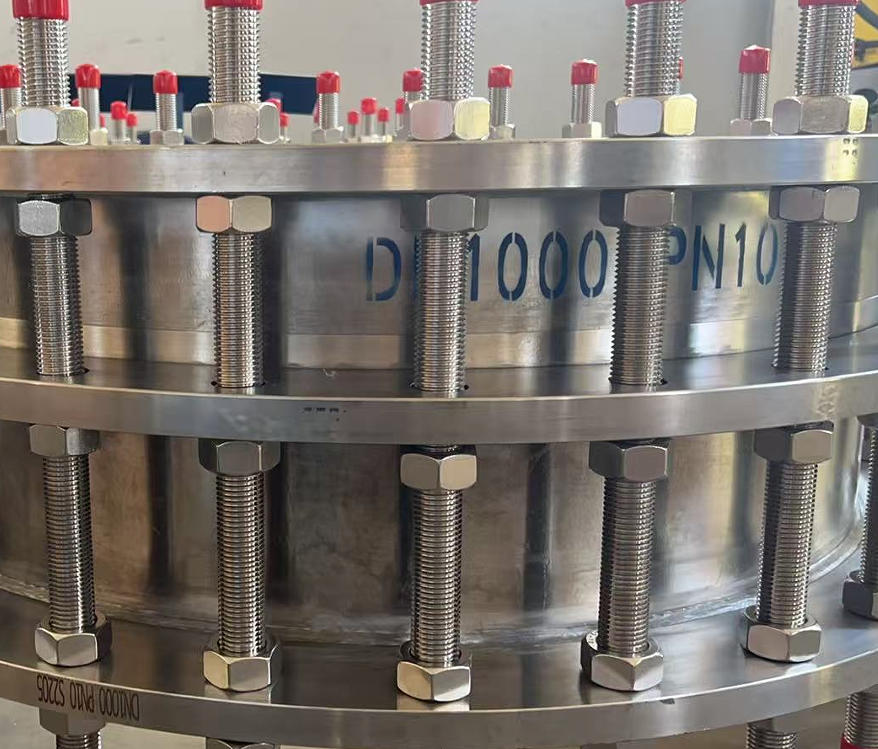
Duplex 2205 is available in multiple product forms. The appropriate ASTM specification depends on whether the buyer needs flat products, piping, bar stock, or forged components.
|
Product form |
Common specification |
Typical applications |
|---|---|---|
|
Plate, sheet and strip |
ASTM A240 / ASME SA-240 |
Pressure vessels, tanks, chemical equipment, structural components |
|
Seamless and welded pipe |
ASTM A790 / ASME SA-790 |
Process piping, offshore systems, corrosive-fluid transport |
|
Seamless and welded tube |
ASTM A789 / ASME SA-789 |
Heat exchangers and general-service tubing |
|
Bar and shapes |
ASTM A276 / ASTM A479 |
Shafts, machined parts, industrial components |
|
Forged flanges and fittings |
ASTM A182, with grade confirmed |
Piping systems and pressure components |
|
Wrought butt-welding fittings |
ASTM A815 |
Elbows, tees, reducers and other piping fittings |
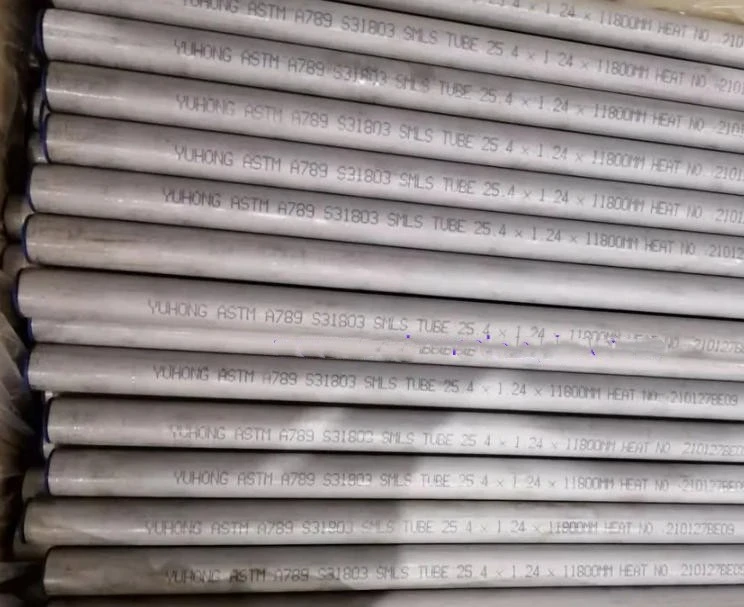
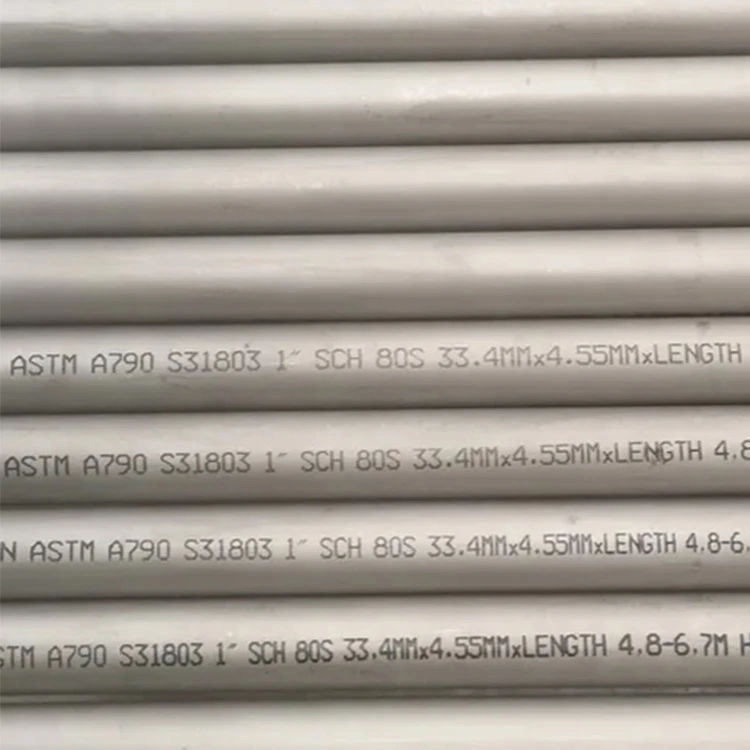
Are you looking for specific product forms (such as plates, pipes, or round bars) or welding and fabrication guidelines for Duplex 2205?
Duplex 2205 RFQ checklist
|
Information required |
Example |
|---|---|
|
Material grade |
UNS S32205 or S31803 |
|
Product form |
Plate, sheet, coil, pipe, tube, bar, flange or fitting |
|
Material standard |
ASTM A240, A790, A789, A276, or another applicable standard |
|
Dimensions |
Thickness × width × length, or OD × wall thickness × length |
|
Quantity |
Pieces, meters, or metric tons |
|
Delivery condition |
As required by the applicable specification |
|
Certificate |
Heat-specific MTC; EN 10204 Type 3.1 if specified |
|
Inspection |
Chemical analysis, mechanical tests, dimensional inspection, PMI or other agreed tests |
|
Delivery requirements |
Destination, Incoterm, packing, and target delivery date |
FAQ
How does 2205 compare to 316L?
Its yield strength is approximately twice that of 316L (450 MPa vs. ~270 MPa), and it has a Pitting Resistance Equivalent Number (PREN) of 34–40 (compared to 24–26 for 316L), offering superior resistance to chloride pitting and stress corrosion cracking (SCC).
What is the maximum service temperature for 2205?
The continuous service temperature is approximately 300 °C (572 °F); the ASME standard sets an upper limit of 315 °C. Exceeding this temperature can trigger "α' (alpha-prime) phase embrittlement," leading to an irreversible loss of material toughness.
What filler metal is recommended for welding 2205?
ER2209 / E2209 (filler metals matched to duplex stainless steel) are recommended. During welding, the interpass temperature should be kept at ≤ 150 °C, and the heat input should be maintained between 0.5–1.5 kJ/mm to prevent the formation of the detrimental "σ (sigma) phase."
Is duplex 2205 magnetic?
Yes, it is magnetic-due to the presence of a ferritic phase, it exhibits ferromagnetism (magnetic permeability μ ≈ 1.5–3.0), unlike the fully austenitic structure of 304/316L.
How should 2205 be machined?
It is more difficult to machine than 316L. Use rigid tooling and fixtures, and reduce cutting speeds by 20%–30%. Employ sharp cutting tools and increase the feed rate to ensure the depth of cut penetrates beyond the work-hardened layer.
Send Inquiry