

SUS304L Stainless Steel: Low-Carbon Version of 304 for Welding
Jan 22, 2026
Leave a message


Key Characteristics
Low Carbon Content: Maximum 0.03% carbon, compared to 0.08% in standard 304, preventing chromium carbide precipitation during welding.
Enhanced Weldability: Excellent performance with welding, retaining corrosion resistance in the heat-affected zone (HAZ).
Corrosion Resistance: Maintains high corrosion resistance, especially against intergranular corrosion after welding, crucial for chemical and marine environments.
Formability: Offers excellent formability and fabricability, similar to 304.
Why Use SUS304L Over SUS304?
Welded Applications: When components will be welded, 304L prevents the sensitization that can occur with 304, which happens when carbon combines with chromium at grain boundaries during heating, depleting chromium and reducing corrosion resistance.
No Post-Weld Heat Treatment: In most applications, 304L doesn't require post-weld annealing, saving time and cost.
Critical Environments: Preferred for chemical processing, food/beverage, medical, and marine industries where reliability and corrosion resistance in welded parts are vital.
Common Applications
Chemical processing equipment
Food and beverage machinery
Marine components
Architectural structures (railings, panels)
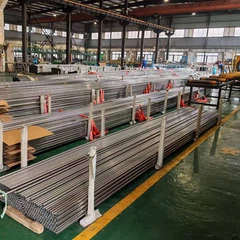
Tanks and pipework
Filler Material
For welding SUS304L, use 308L filler material (electrodes/rods) to match the low-carbon chemistry.
Send Inquiry