







What are the typical applications of 1.4620 ?
Apr 02, 2026
Leave a message
1.4620 stainless steel, commonly known as 434 or UNS S43400, is a molybdenum-alloyed ferritic stainless steel that offers enhanced corrosion resistance compared to standard 430, particularly in chloride-containing environments. With its molybdenum addition and balanced chemistry, it provides a cost-effective alternative to austenitic grades for applications requiring good corrosion resistance and formability. It is widely used in automotive trim, kitchen equipment, and architectural applications where exposure to road salt, food acids, or mild chemicals is expected.
Equivalent Grade for 1.4620 stainless steel
| Standard | Equivalent Grade |
|---|---|
| EN (Europe) | 1.4620 |
| ASTM/AISI (USA) | 434, UNS S43400 |
| JIS (Japan) | SUS434 |
| Common Name | 434 |
Chemical composition of 1.4620 stainless steel
| Element | C | Si | Mn | P | S | Cr | Mo |
|---|---|---|---|---|---|---|---|
| Content (%) | ≤ 0.12 | ≤ 1.0 | ≤ 1.0 | ≤ 0.04 | ≤ 0.03 | 16.0 - 18.0 | 0.75 - 1.25 |
properties of 1.4620 stainless steel
| Property | Yield Strength (Rp0.2) | Tensile Strength (Rm) | Elongation (A) | Hardness (HB) |
|---|---|---|---|---|
| Typical Value | ≥ 240 MPa | 450 - 600 MPa | ≥ 22% | ≤ 200 |
Key Characteristics and Applications of 1.4620 / 434
Enhanced Chloride Resistance: The molybdenum addition (0.75-1.25%) provides significantly better resistance to pitting and crevice corrosion in chloride environments compared to standard 430.
Good Formability: Maintains good ductility and formability, suitable for bending, drawing, and forming operations.
Magnetic and Cost-Effective: Strongly magnetic and more economical than nickel-containing austenitic grades, offering a balance of performance and cost.
Good Oxidation Resistance: Adequate resistance to oxidation at elevated temperatures up to about 700°C.
Primary Applications:
Automotive Trim: Exterior trim, moldings, and decorative components requiring resistance to road salt.
Kitchen Equipment: Sinks, countertops, and food preparation surfaces exposed to food acids.
Architectural Applications: Roofing, gutters, and downspouts in coastal or de-icing salt environments.
Catering Equipment: Commercial kitchen equipment and food handling systems.
Heat Exchangers: Components in applications with mild chloride exposure.
Appliance Components: Parts requiring enhanced corrosion resistance in dishwasher and laundry equipment.
How does 434 (1.4620) compare to 430 (1.4016) and 304 (1.4301)?
What are the welding considerations for 434?
What temperature range is 434 suitable for?
Looking for a Reliable Supplier of 1.4620 / 434 Stainless Steel?
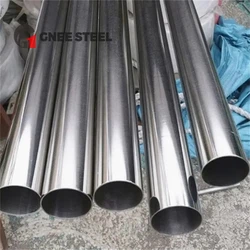
1.4620 stainless steel pipe
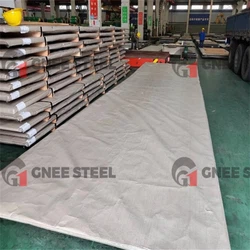
1.4620 stainless steel plate

1.4620 stainless steel coil
Send Inquiry