







What is the equivalent material for Inox 310?
Oct 08, 2026
Leave a message
If you are looking for the equivalent material for Inox 310 stainless steel, the most commonly used international designations are AISI 310, UNS S31000, and EN 1.4841. For the low-carbon version, 310S corresponds to UNS S31008 and EN 1.4845. Because 310 and 310S have different carbon and silicon requirements, buyers should confirm the exact grade and product standard before placing an order.
What is Inox 310?
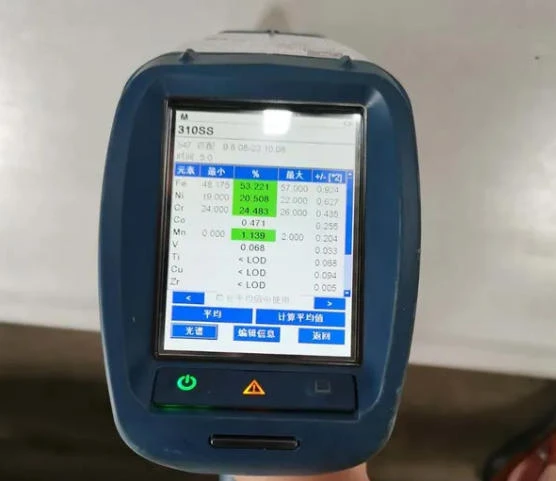
Inox 310 is an austenitic high-temperature stainless steel containing 24–26% chromium and 19–22% nickel, with a carbon content of ≤ 0.25% (≤ 0.08% for 310S). Capable of continuous operation at temperatures up to 1150°C, it is the material of choice for industrial furnace tubes, petrochemical cracking furnace tubes, and high-temperature heat exchanger tubes, offering excellent oxidation resistance and high-temperature creep strength.
Are Inox 310 and 310S the same material?
Not entirely. In most European, Japanese, and Chinese contexts, "Inox 310" defaults to 310S (the low-carbon version, C ≤ 0.08%). However, under the US ASTM standard, "310" refers to the higher-carbon version (C ≤ 0.25%), whereas "310S" specifically denotes the low-carbon variant. Therefore, the maximum carbon limit must be explicitly specified during procurement.
What Is Inox 310 Equivalent To?
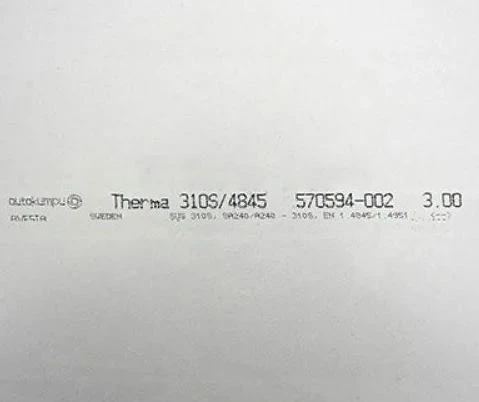
For Inox 310S, the corresponding designations are AISI 310S / UNS S31008 / EN 1.4845 / X8CrNi25-21 / JIS SUS310S. The 310S grade is a lower-carbon variant and is widely used where welding and high-temperature oxidation resistance are required.
| Standard System | Inox 310 | Inox 310S |
|---|---|---|
| AISI / ASTM | 310 | 310S |
| UNS | S31000 | S31008 |
| EN / Werkstoff No. | 1.4841 | 1.4845 |
| EN Grade | X15CrNiSi25-21 | X8CrNi25-21 |
| JIS | SUS310 | SUS310S |
| GB | High-Cr-Ni heat-resistant grades | 06Cr25Ni20 |
Key Differences Between 310, 310S and 310H
| 310 (S31000) | 310S (S31008) | 310H (S31009) | |
|---|---|---|---|
| Carbon (C), max. | 0.25% | 0.08% | 0.04–0.10% |
| Chromium (Cr) | 24.0–26.0% | 24.0–26.0% | 24.0–26.0% |
| Nickel (Ni) | 19.0–22.0% | 19.0–22.0% | 19.0–22.0% |
| Manganese (Mn), max. | 2.00% | 2.00% | 0.75% (1.00% recommended) |
| Tensile Strength (min.) | 515 MPa | 515 MPa | 515 MPa |
| Yield Strength (min.) | 205 MPa | 205 MPa | 205 MPa |
| Elongation | ≥ 40% | ≥ 40% | ≥ 40% |
| Hardness (HRB max.) | 95 | 95 | 95 |
| Continuous Service Temperature | 1035°C | 1150°C | 1095°C |
| Intermittent Service Temperature | 1150°C | 1150°C | 1150°C |
| Main Applications | Furnace tubes and heat-treatment equipment (non-welded) | Heat-exchanger tubes and welded structures | Critical high-temperature creep components, such as pyrolysis furnace tubes |
Can 310S be used as a substitute for 310?
For welded structural components, 310S is a perfectly suitable and indeed superior substitute for 310 (as it eliminates the need for post-weld annealing). In non-welded applications where high-temperature strength is the primary requirement (such as furnace radiant tubes), 310 (the high-carbon variant) offers slightly better high-temperature creep strength; however, the difference is less than 5%, making 310S sufficient for most projects.
What is the key difference between 310H and 310S?
For 310H, the maximum manganese (Mn) content is reduced to 0.75% (compared to 2.0% for 310S), and the carbon content is controlled within the 0.04–0.10% range. The lower Mn content enhances high-temperature creep strength by approximately 10–15%, making it specifically suited for creep-critical applications such as petrochemical cracking furnace tubes. 310H is listed only in ASTM standards; there are no corresponding grades in EN or JIS standards.
What is the maximum service temperature for 310S?
It is suitable for continuous service at 1150°C (2100°F) and intermittent service up to 1150°C. Beyond this temperature, the oxidation resistance and strength of 310S decline sharply; materials such as Inconel 600 or other nickel-based alloys with higher performance capabilities should be considered.
310S Stainless Steel Supplier
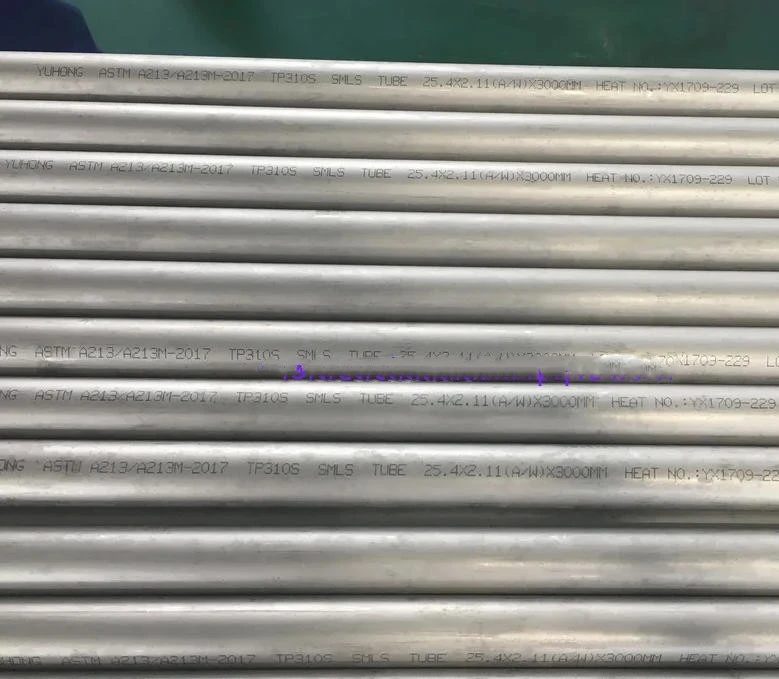
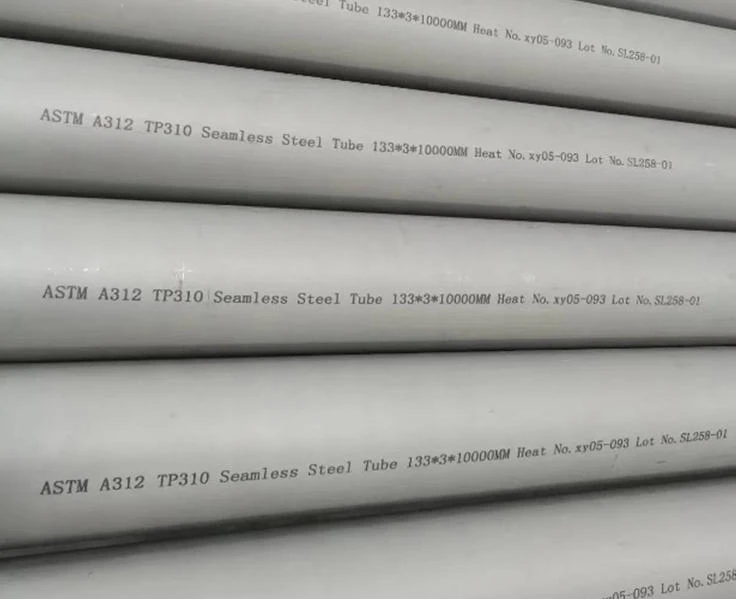
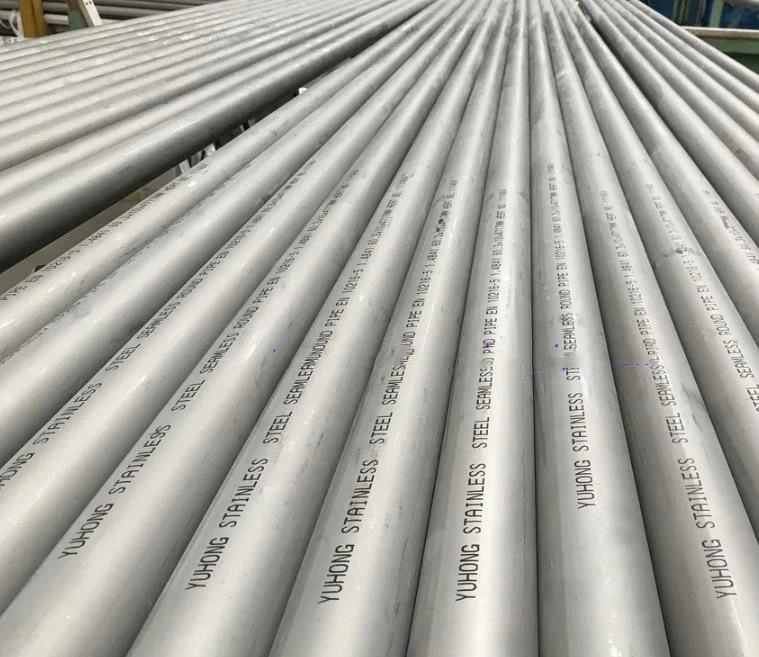
GNEE supplies 310S stainless steel pipes, tubes, plates, coils, bars and fittings for high-temperature applications, with UNS S31008 / EN 1.4845 / X8CrNi25-21 grades available. For ASTM A312 TP310S pipe, GNEE can supply seamless and welded products covering approximately OD 6–914.4 mm and wall thickness 0.3–50 mm, with 2B/BA, pickled or polished finishes depending on the product.
| Product Form | Specification Range | Manufacturing Process |
|---|---|---|
| 310/310S Seamless Pipe | OD 6 mm – 610 mm, WT 0.5 mm – 50 mm | Hot-rolled piercing / Cold rolling / Cold drawing |
| 310/310S Welded Pipe | 1/2" NB – 16" NB (ERW); 6" – 100" NB (EFW) | ERW / EFW / Automatic Welding |
| 310/310S Heat Exchanger Tubes | OD 6–48 mm, WT 0.5–4 mm | Cold drawing + Solution Annealing |
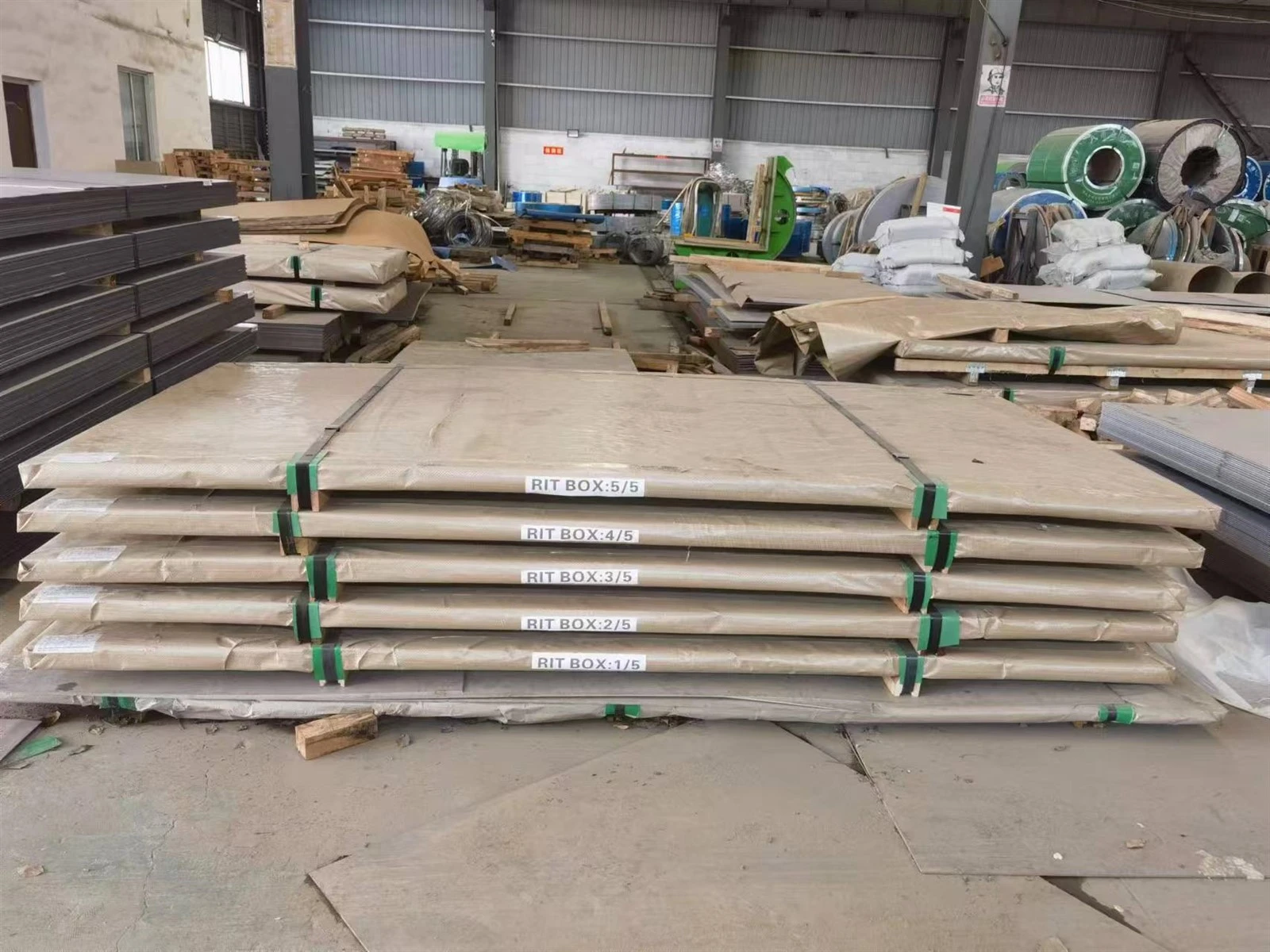
| 310/310S Plate / Strip | Thickness 0.5–200 mm, Width ≤ 3,500 mm | Hot Rolling / Cold Rolling |
| 310/310S Bar | Φ 10–500 mm | Hot Rolling / Forging |
| 310/310S Pipe Fittings | Elbows, Tees, Reducers (ASTM A403) | Hot Forming / Butt Welding |
Surface Treatment Options
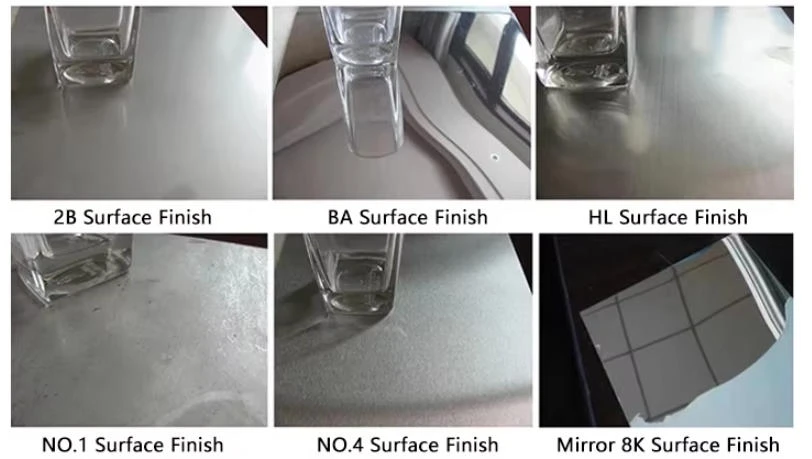
BA (Bright Annealed)
2B (Cold Rolled, Pickled and Passivated)
No.1 (Hot Rolled and Pickled)
Polished Finish (No.4 / HL / 8K)
Pickling + Passivation
Certifications and Quality Inspection
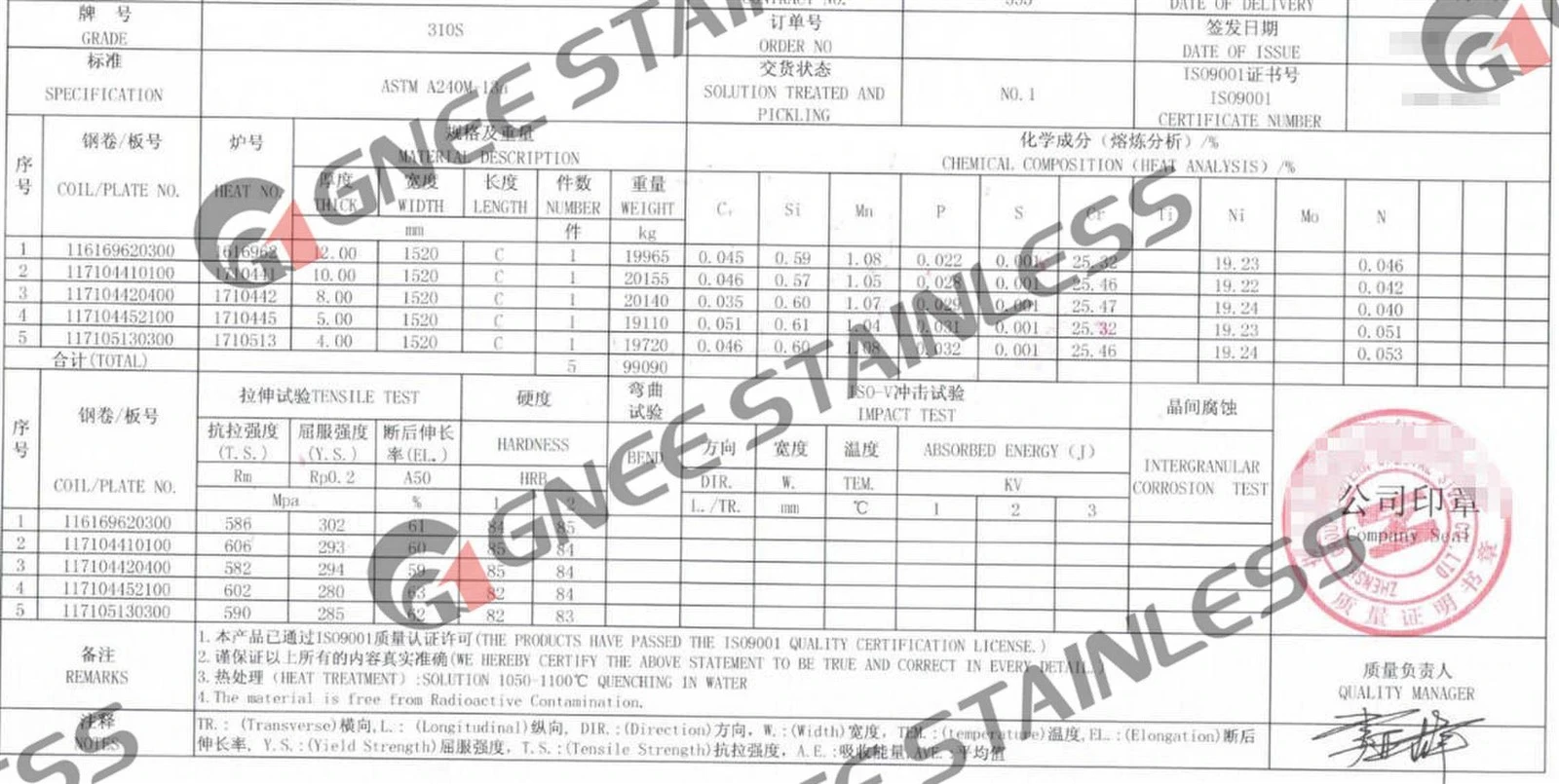
EN 10204 3.1 Material Test Certificate (MTC), including heat number and actual measured carbon content
Ultrasonic Testing (UT) / Eddy Current Testing (ET)
Full traceability of the solution annealing + pickling process
Delivery time
| Parameter | Range / Options |
|---|---|
| Length | 6 m / 12 m / Custom Cut Length |
| Ends | Plain End / Beveled End / Beveled + Chamfered |
| Packaging | Wooden Cases / Steel Strapping + Moisture-Proof Paper |
| MOQ | Typically 5 tons for seamless pipe / 3 tons for welded pipe |
| Lead Time | Stock items: 7–15 days; Custom orders: 25–40 days |
If you are currently selecting materials or working on a design, please let me know:
• The specific operating temperature and environmental conditions (e.g., presence of sulfur, acids, or alkalis)
• The required product form (e.g., seamless pipe, steel plate, or bar stock)
I can evaluate whether 310S is suitable or recommend a more cost-effective alternative grade.
Send Inquiry