







SS 316 perforated sheet
Apr 15, 2026
Leave a message
316 sS perforated metal sheet manufacturer
GNEE is a trusted global supplier of SS 316 perforated sheets, backed by years of professional manufacturing and export experience. We offer fully customized solutions in terms of hole patterns, dimensions, thickness, and surface finishes, meeting strict international standards for applications in marine, architectural, filtration, and industrial sectors. With certifications including ISO, SGS, and BV, our products are exported to over 80 countries and regions, including Europe, North America, the Middle East, and Southeast Asia.
Our 316 stainless steel perforated sheets are manufactured using high-precision CNC punching and cold stamping processes, followed by rigorous leveling, deburring, and pickling & passivation treatments to ensure excellent dimensional accuracy and surface integrity. The material composition includes 16%–18.5% chromium, 10%–14% nickel, and 2%–3% molybdenum, with a PREN value ≥ 24, providing outstanding resistance to saltwater, chemicals, and high-humidity environments. It also delivers a tensile strength ≥ 515 MPa and strong mechanical stability.
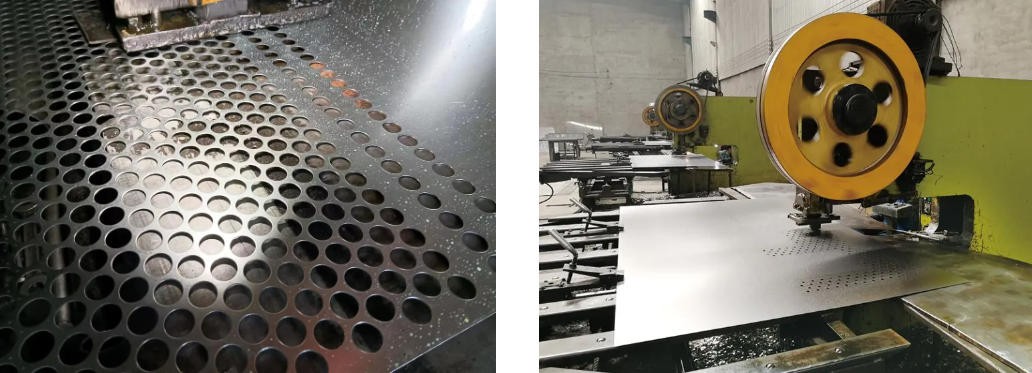
Thanks to its high strength-to-weight ratio, along with excellent ventilation, filtration, and heat dissipation performance, perforated 316 stainless steel sheets are widely used in marine engineering, petrochemical filtration, food processing, architectural decoration, and industrial screening.
GNEE supplies 316 perforated stainless steel sheets with a thickness range of 0.5 mm to 10 mm, customizable hole types (round, square, slotted, hexagonal), hole diameters from 1 mm to 50 mm, and maximum sheet size up to 1500 mm × 6000 mm.
SS 316 perforated sheet specification
| Main Materials: | stainless steel 304, 304L, 316, 316L |
| Surface Treatment: | Electric galvanized, hot-dipped galvanized, PVC coated, powder coating, oxidation treatment, etc. |
| Width by Length: | 1000 x 2000 mm to 2000 x 6000 mm or according to customer's requirements. |
| Standard Sizes: | 1000mm × 2000mm, 1000mm × 2400mm, 1200mm × 2400mm. |
| Hole Patterns: | Round hole, square hole, slotted hole, hexagonal hole, decorative hole. |
| Hole Diameter: | 0.2 - 100 mm. |
| Margin Types: | Safe margins or no margins. |
SS 316 Material Specification (Chemical & Mechanical)
SS 316 is the standard molybdenum-bearing grade, which offers better overall corrosion resistance than SS 304, particularly in chloride environments.
| Property | Grade 316 | Grade 316L (Low Carbon) |
| Chromium (Cr) | 16.0 – 18.0% | 16.0 – 18.0% |
| Nickel (Ni) | 10.0 – 14.0% | 10.0 – 14.0% |
| Molybdenum (Mo) | 2.0 – 3.0% | 2.0 – 3.0% |
| Carbon (C) | 0.08% max | 0.03% max |
| Tensile Strength | ≥ 515 MPa | ≥ 485 MPa |
| Yield Strength (0.2% Offset) | ≥ 205 MPa | ≥ 170 MPa |
| Elongation | ≥ 40% | ≥ 40% |
Common Perforation Configurations (Reference Table)
This table shows typical industrial configurations for SS 316 sheets.
| Hole Diameter (mm) | Pitch (mm) | Pattern | Open Area (%) | Recommended Thickness (mm) |
| 1.0 | 2.0 | 60° Staggered | 23% | 0.5 - 1.0 |
| 2.0 | 3.5 | 60° Staggered | 30% | 0.8 - 2.0 |
| 3.0 | 5.0 | 60° Staggered | 33% | 1.0 - 3.0 |
| 5.0 | 8.0 | 60° Staggered | 35% | 1.5 - 5.0 |
| 10.0 | 15.0 | 60° Staggered | 40% | 2.0 - 6.0 |
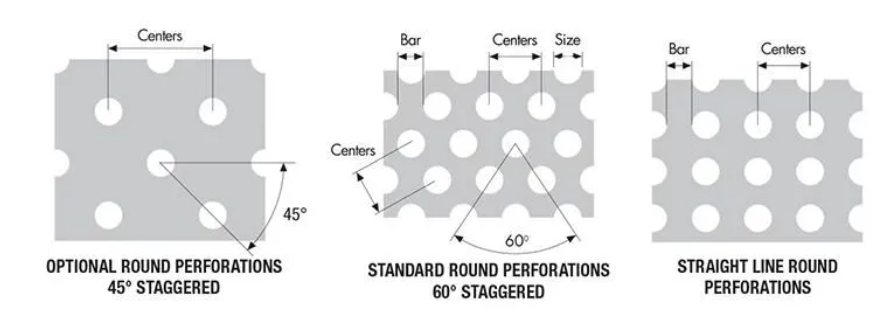
All of our perforated metal products are available in a variety of thicknesses, hole sizes, spacing and shapes. Some of our
standard shapes include; round, hexagonal, square and round end slotted holes. And we offer customization to meet your exact requirements and specifications.
custom ss 316 perforated sheet
Application of SS 316 perforated sheet
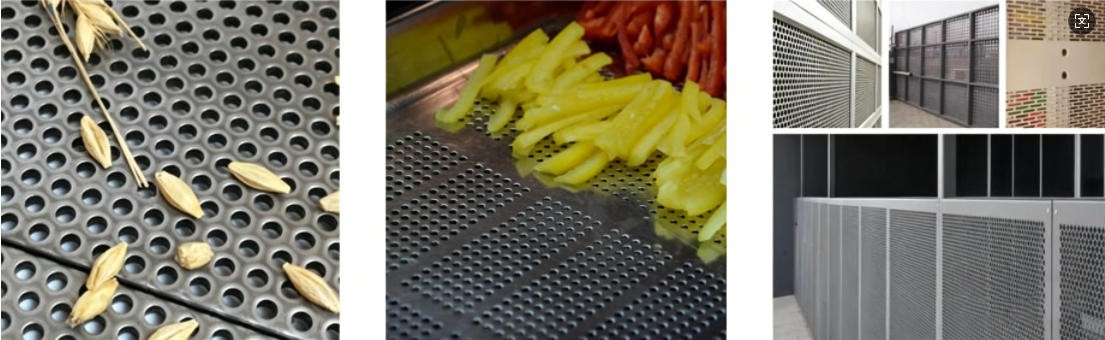
Marine Equipment: Commonly used in seawater filters, dock and ship hardware.
Chemical and Processing Industries: Used in refineries and manufacturing plants for handling corrosive chemicals, acids, and high-temperature environments.
Food and Pharmaceutical Processing: Suitable for hygienic, non-porous applications such as drying trays, food sorting, and sterilization filters.
Filtration and Separation: Used for screening in the chemical, mining, and food industries.
HVAC Systems: Used for air ventilation, grilles, and noise control panels.
Inspection & Testing
To ensure the authenticity of SS 316 material and the precision of the punching process, we provide the following testing reports:
Material Composition Analysis: PMI testing: 100% confirmation of chromium (Cr), nickel (Ni), and molybdenum (Mo) content.
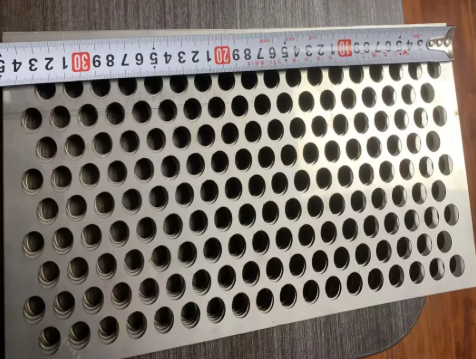
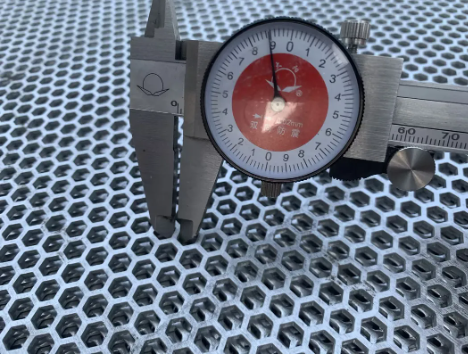
Hole Size & Pitch: Measured using precision calipers or plug gauges.
Open Area Verification: Actual air permeability/flow rate calculated based on measured hole pitch.
Flatness Check: After punching, the surface is treated with a leveling machine to ensure no wavy warping.
Third-Party Testing (Optional): On-site sampling inspections by third-party organizations such as SGS, BV, and TUV are available upon customer request.
Packaging Standards
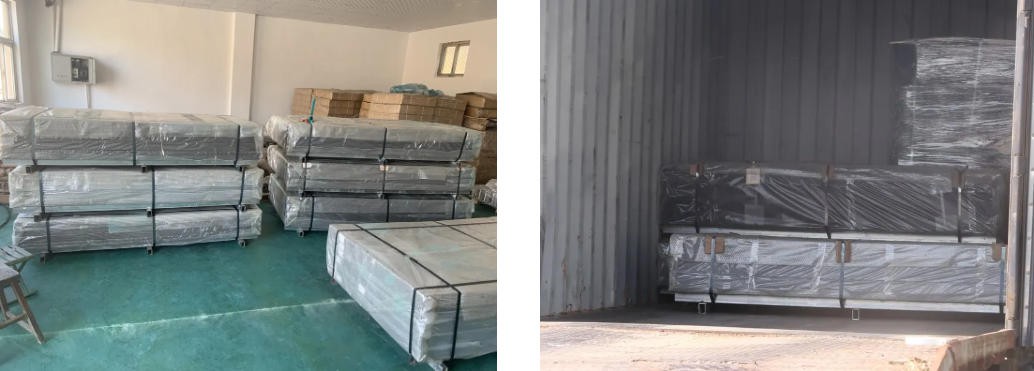
Due to the potentially sharp edges of the perforated plates and their susceptibility to deformation under pressure, we employ multi-layered protective packaging:
Interlayer Protection: Waterproof paper or cardboard is placed between plates to prevent friction.
Steel Strap Binding: Multiple steel straps are used for reinforcement to ensure the plates do not fall apart during long-distance sea transport.
Corner Protection: Metal or hard plastic corner protectors are installed at all four corners to prevent edge deformation caused by impacts and pressure.
Waterproof Encapsulation: The entire plate is covered with plastic stretch film or tarpaulin to prevent corrosion from salt spray and moisture during sea transport.
Send Inquiry